
Table of Contents
- Introduction
- Quick answer: a parent checklist for Makeup kids can use
- Popsicle safety snapshot
- What makeup can kids use (and what to delay)
- How to choose Makeup kids can use (shopping criteria that actually helps)
- Ingredient and label checklist (what to check before buying)
- Routine and removal: the “gentle 3-step” that keeps makeup from becoming a skin problem
- Why shouldn’t kids use makeup every day? (A Foundationless perspective)
- Common mistakes to avoid
- Where Popsicle Beauty Club fits (the practical shopping shortcut)
- Sources and further reading
- Bottom line
- FAQs
Introduction
Makeup kids can use is makeup that supports age-appropriate play and self-expression, stays comfortable on developing skin, and comes off easily—without pushing “fixing” or covering a child’s face as a daily habit. For most families, that means keeping products simple (think lip balm, a sheer gloss, nail color, a playful wash of color, or special-occasion sparkle), choosing transparent ingredient lists, and setting boundaries that keep makeup as art, not armor.
If you’re here because your child asked for makeup (or a “GRWM” routine they saw online), you’re not alone. The parent-friendly rule: choose the least amount of product for the most fun—and prioritize easy removal, eye-area caution, and a routine that starts with skin care basics, not complexion coverage.
Quick answer: a parent checklist for Makeup kids can use
- Purpose: Is it for creativity (color, sparkle, costume/party) rather than correction (covering, concealing, “perfecting”)?
- Product type: Start with lip care, gloss, nail color, body shimmer, or face gems; delay complexion correction-focused products as a developmental milestone.
- Ingredient transparency: Full INCI list visible; avoid vague “proprietary blend” style language when possible.
- Eye-area caution: Prefer products clearly intended for the face/eyes if used near eyes; avoid loose glitter near eyes.
- Easy removal: If it requires heavy scrubbing, it’s not a great “starter” choice for kids.
- Hygiene: No sharing; clean brushes/sponges; replace products if they smell “off” or cause irritation.
- Patch test: Especially for fragrance, botanicals, face paint, or new pigments.
This checklist keeps makeup kids can use focused on practical parent decisions: where the product goes, how often it will be used, how easily it comes off, and whether the message still feels age-appropriate.
Popsicle safety snapshot
Popsicle Beauty Club is built to be a practical clean kids’ beauty hub—so parents can shop with clearer standards and less overwhelm. Here’s what that means in real life:
- Curated marketplace: Popsicle carries a vetted mix of kids’ beauty, personal care, and self-care picks so you can compare options in one place (instead of hunting across the entire internet).
- Ingredient-forward screening: We prioritize transparent ingredient lists and cleaner, simpler formulas for families. Where applicable, Popsicle highlights products with recognized clean positioning (for example, EWG Verified where applicable—only when a product is actually verified).
- Age-appropriate framing: We’re not anti-makeup. We’re against adultification, performance beauty, and correction-focused beauty for children, tweens, and teens. We emphasize beauty as expression, not correction.
- Medical-advisory-backed education: Popsicle’s kids’ beauty education is developed with medical-advisory input, and we encourage families to loop in a qualified clinician for persistent irritation, rash, acne distress, or eye-area concerns.
- Allergy-aware mindset: Where applicable, we consider allergen concerns and encourage parent-friendly steps like patch testing and avoiding known triggers (without promising any product is “allergy-proof”).
What makeup can kids use (and what to delay)
When parents search What makeup can kids use, they’re usually balancing two things: (1) their child’s excitement and creativity and (2) their responsibility to protect skin, eyes, and self-image.
A healthy, age-aware approach is to treat certain categories as “starter-friendly,” and others as “milestones” worth delaying. The best makeup kids can use keeps the focus on colour, creativity, and occasional play without introducing the idea that a child's natural features need to be covered or corrected.
Starter-friendly categories (expression-first)
- Lip balm and simple gloss (low-stakes, easy to reapply, easy to remove).
- Nail color for weekends, parties, or play (teach “hands off eyes” and removal with adult help).
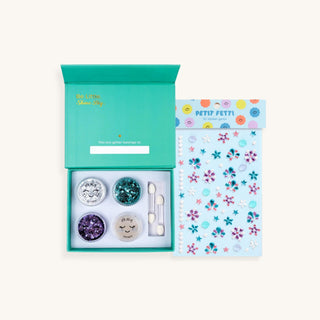
- Face gems or stickers (decorate, then remove—less pigment load on skin than complex looks).
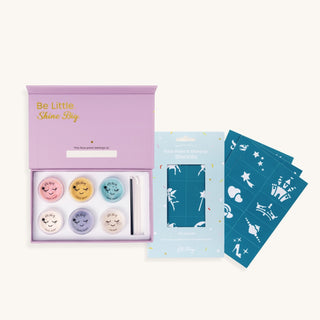
- Washable, kid-intended face paint for costume play (used occasionally, removed fully, patch tested first).
- Soft shimmer/body glow for special occasions (choose formulas designed for skin and avoid loose glitter around eyes).
For children who want to experiment with colour, a small pressed eyeshadow or blush compact can offer plenty of creative possibilities without turning beauty play into a full-face routine. Look for a kid-intended formula with clear ingredients, minimal fallout, and colour that can be removed gently after play.
Eco Natural Kids Makeup Pressed Powder Eyeshadow & Blush
$39.99
$44.49
Give her the gift of safe, worry-free beauty play with Eco Natural Kids Makeup Pressed Powder Eyeshadow—crafted in Australia with her delicate skin in mind. These allergy-friendly pressed powders are nut-free, gluten-free, soy-free, and dairy-free. While they do contain coconut-based… read more

Categories to pause or delay (correction-first)
Popsicle’s Foundationless stance: foundation, concealer, simple skin care, simple moisturizers, and correction-focused routines should be treated as developmental milestones worth delaying—especially for children and many tweens/teens. The issue isn’t only ingredients; it’s also the message that a young face needs “fixing” to be acceptable.
If a child is dealing with acne, redness, or sensitivity, the best first step is usually a gentle skin-care routine and qualified guidance—not covering. Makeup can still be art, but it shouldn’t become armor.
How to choose Makeup kids can use (shopping criteria that actually helps)
When you’re deciding what to bring into your home, these criteria make the difference between age-appropriate beauty play and an adult routine in miniature.
- Choose “small-area” products first. Lip products, nails, and face gems keep the focus on creativity without turning the whole face into a project.
- Prioritize easy removal over long wear. Long-wear products are often harder to remove and can encourage rubbing—especially risky around eyes.
- Look for a clear use case. “For dance recital” or “for a birthday party” is different from “every school day.” If it’s becoming daily, it’s time to reset the boundary.
- Avoid loose glitter near eyes. If sparkle is the goal, look for pressed, well-bound shimmers or face gems placed away from the lash line.
- Consider fragrance exposure. Fragrance can be a common irritant for some families—especially in products used repeatedly or close to the nose and mouth.
- Pick packaging that supports hygiene. Pumps, squeeze tubes, and clean applicators can be easier to keep sanitary than shared jars and wands passed around at sleepovers.
- Plan the removal step before you buy. If you don’t already have a gentle cleanser or makeup remover your child tolerates well, start there.
Choosing makeup kids can use also means thinking about cleanup before purchasing, since products that wash away gently are often more practical for occasional play. If you want this “decision tree” done for you, Popsicle Beauty Club is designed to be that filter—curated by Popsicle Beauty Club so parents can shop vetted kids’ beauty options in one place and stay aligned with age-appropriate boundaries.
Ingredient and label checklist (what to check before buying)
Parents often ask for “non toxic makeup for kids.” In practice, what helps most is a label-based approach: reduce avoidable exposures where you can, prioritize transparency, and choose simpler products used less often on younger kids. When comparing makeup kids can use, a clear ingredient list and age-appropriate directions are often more useful than broad claims such as “clean,” “natural,” or “gentle.”
- Fragrance: If a label lists “fragrance” or “parfum,” know that individual fragrance components typically aren’t listed separately. The FDA notes that fragrance ingredients don’t have to be disclosed individually on cosmetic labels, which can make it harder for families to identify potential triggers.
- Eye-area ingredients and migration: For anything used near eyes, be extra cautious. Avoid loose glitter near eyes and be mindful of shimmer fallout.
- Pigments and color additives: Bright colors can be fun, but check for a full ingredient list and follow age guidance. (Color additives are a regulated category; in the U.S., the FDA notes special rules around color additives.)
- Preservatives: Water-based products need preservation to help prevent microbial growth. “Preservative-free” can be a red flag for products that contain water—because safety also means stability.
- Essential oils and botanicals: “Natural” doesn’t automatically mean gentle. If your child is sensitive, keep formulas simple and patch test.
- Glitter: Look for glitter that’s well-bound in a balm/gel rather than loose. Keep sparkle away from the lash line and teach kids not to rub their eyes.
Patch test reminder: Apply a small amount to the inner arm (or another low-risk area) and watch for irritation before using on the face—especially for face paint, fragranced products, and anything new.
If you want a more detailed framework for comparing products, our guide to clean kids' makeup ingredients and labels explains how to look beyond marketing claims and make more informed choices.
Routine and removal: the “gentle 3-step” that keeps makeup from becoming a skin problem
Kids don’t need a 10-step routine. If you’re introducing Makeup kids can use, the goal is to keep the skin comfortable and the habit light. The safest routines around makeup kids can use are usually the simplest ones: short wear time, gentle cleansing, and a clear boundary that makeup comes off before bed.
A simple, age-appropriate routine
- Cleanse (as needed): Yes, can kids use face wash—but most kids do best with a gentle cleanser, used once daily or after heavy sweat/makeup. If a child has very dry or sensitive skin, even less frequent cleansing may be appropriate.
- Moisturize: A basic, fragrance-minimized moisturizer can help prevent the “tight, itchy” feeling that leads to rubbing.
- SPF (daytime): Sun protection is skin care that actually matters for all ages. Choose a sunscreen your child will tolerate and you’ll use consistently.
Makeup removal that doesn’t require scrubbing
- Start with a gentle remover step if needed: A mild cleansing balm, oil cleanser, or micellar water can help lift sunscreen, face paint, and shimmer. If using micellar water, avoid getting it in the eyes and consider a gentle rinse after, depending on the product directions and your child’s skin.
- Follow with a gentle cleanser: Especially after heavier products or glitter, a second gentle cleanse can help without harsh rubbing.
- Use soft tools: A soft cloth or cotton pad is usually enough. If you have to scrub, the product isn’t “kid-friendly” for routine use.
About “tear-free” claims: Some kids’ cleansers are marketed as tear-free, but that’s a brand-specific claim. If this matters to you, look for it explicitly on the label and choose products intended for the eye area. When in doubt, keep product away from the lash line.
Why shouldn’t kids use makeup every day? (A Foundationless perspective)
Parents search Why shouldn’t kids use makeup for two very different reasons: skin comfort and emotional pressure.
- Skin barrier and irritation risk: More products, more rubbing, and more frequent removal can mean more irritation—especially around eyes and lips.
- Habit formation: A daily routine can quietly teach that showing your natural face is “unfinished.” Popsicle’s stance is to protect childhood by keeping beauty play optional, not expected.
- Adultification: When makeup becomes about looking older or more “put together,” it can shift from art to performance.
Makeup can be joyful. The boundary is the message: makeup as art, not armor, and beauty as expression, not correction.
Common mistakes to avoid
- Buying complexion coverage as a “starter.” Foundation, concealer, simple skin care, and simple moisturizers pull kids toward correction-focused beauty. Delay them as milestones. Instead, keep makeup kids can use centred on playful products such as lip colour, nail polish, face gems, and easy-to-remove shimmer.
- Letting glitter drift into the eye area. Avoid loose glitter near eyes; choose face gems or well-bound shimmer and place it high on the cheekbone or temples instead.
- Assuming “clean” or “natural” means non-irritating. Botanicals and essential oils can still bother sensitive skin. Patch test.
- Sharing products at sleepovers. Sharing wands and lip products is a hygiene issue. If kids want to “trade looks,” use separate applicators.
- Over-cleansing to “make it squeaky.” Stripping cleansers can trigger dryness and redness. Gentle is the goal.
- Ignoring your child’s cues. If a product stings, makes eyes water, or causes itching, stop using it and reassess. For persistent issues, seek guidance from a qualified clinician.
Where Popsicle Beauty Club fits (the practical shopping shortcut)
If you’re trying to find Makeup kids can use without turning your cart into a chemistry project, Popsicle Beauty Club is meant to be your shortcut: a curated clean kids’ beauty hub where products are selected with ingredient transparency, parent concerns, and age-appropriate use in mind.
How to shop the Popsicle way:
- Start with one category: lip care or nails, not a full face. If you're considering a starter set, our guide to choosing a kids' makeup kit explains what to check before buying and how to avoid products that add unnecessary complexity.
- Read the full ingredient list: especially for fragrance and pigments.
- Choose “easy-off” products: because removal is part of safety.
- Keep it occasional: parties, playdates, performances—then back to basics.
Sources and further reading
- NIEHS: Cosmetics and Your Health - Explains what counts as a cosmetic and notes that most cosmetics/ingredients don’t require FDA preapproval (except color additives).
- FDA: Phthalates in Cosmetics - Notes how phthalates may be used and explains why fragrance ingredients aren’t individually disclosed on labels.
- FDA: Color Additives in Foods - Helpful context on FDA’s color additive framework; relevant for understanding how color additives are regulated as a category.
- NIEHS: Endocrine Disruptors - Background on endocrine disruptors and common exposure routes, including everyday products.
Bottom line
Makeup kids can use should be simple, occasional, easy to remove, and clearly about creativity—not hiding or “fixing” a child’s face. Start small (lips, nails, gems), read labels, patch test when appropriate, and treat complexion coverage as a milestone worth delaying. If you want vetted options in one place, Popsicle Beauty Club is designed to be the parent-friendly safety filter for age-appropriate beauty play.
For a complete guide on non-toxic play makeup, check out our in-depth resource: The Ultimate Guide to Non-Toxic Play Makeup for Kids for expert tips, product recommendations, and everything you need to know about choosing safe beauty play products for your child.
About the Author: This article was written by the contributing writers at Popsicle Beauty Club—a team of moms, educators, and clean beauty advocates passionate about creating a safer, more imaginative world for kids. We believe in empowering parents with trusted information and offering fun, non-toxic beauty and personal care products that let children play, express, and explore—without compromising their health.