
Table of Contents
Introduction
If you are searching for kids foundation makeup, the most important question is not which shade to buy first. It is whether a child needs skin-covering makeup at all. Popsicle Beauty Club's Foundationless position is simple: makeup can be playful, colorful, expressive, and fun, but foundation belongs in a different category. It is correction-focused beauty, and timing matters.
This guide answers the search directly while drawing a clear line. Kids foundation makeup should not be treated like a starter beauty product. For children, tweens, and many teens, foundation, concealer, skin tints, tinted moisturizers, and coverage routines are developmental milestones worth delaying, not routine childhood purchases.
The Foundationless answer
Popsicle Beauty Club is not anti-makeup. We love color, sparkle, nail play, lip balm, costume face paint, bath rituals, and the kind of beauty play that lets a child feel imaginative. The concern with kids foundation makeup is different: foundation teaches a child to evaluate her own skin as something that should be evened out, blurred, corrected, or hidden before it can be seen.
That message is subtle, but it is powerful. A child can enjoy a glitter gel at a birthday party and wash it off without absorbing the idea that her natural face is unfinished. Foundation is more likely to introduce the logic of performance beauty: better skin, smoother skin, camera-ready skin, less visible skin. That is why Popsicle treats foundation as a pause-and-discern category.
Why parents should pause before buying
Parents often arrive at kids foundation makeup searches for understandable reasons. Maybe there is a dance recital, a school play, a photo day, acne starting earlier than expected, redness, curiosity, or social pressure from friends and videos. None of those concerns make a parent wrong. They do mean the decision deserves more care than an ordinary beauty purchase.
- Development: Children are still forming their relationship to their faces. A daily or routine coverage habit can normalize self-correction too early.
- Skin comfort: Foundation products are often designed for adult wear time, adult removal routines, and adult expectations.
- Removal: Skin-covering products can require more cleansing, rubbing, or remover than playful color products.
- Language: Words like blur, cover, hide, perfect, and fix can make normal skin texture feel like a problem.
What to do when the request is about a performance or photo
Sometimes parents search for kids foundation makeup because an event seems to require it. The Foundationless approach is to ask what is actually needed and choose the least corrective option.
- For a costume, consider face paint used as a design, not as skin correction.
- For dance or theater, ask whether stage lighting truly requires complexion makeup for children, or whether color details are enough.
- For photos, avoid framing makeup as the path to a better face. Good light, sleep, hydration, hair, clothing, and comfort matter more.
- For acne, redness, irritation, or rashes, prioritize skin care and a qualified clinician when needed instead of teaching concealment as the first response.
Parents can start with a simple, age-appropriate skincare routine that focuses on comfort, cleansing, and skin health rather than coverage.
What to offer instead
If a child is curious about makeup, the answer does not have to be a hard no to beauty. Children who are interested in makeup often want the experience of creativity, self-expression, and feeling included—not necessarily complexion coverage. Offering age-appropriate alternatives can satisfy that curiosity while keeping the focus on play, imagination, and healthy beauty habits rather than correcting or concealing the skin. It can be a yes to the right kind of beauty. Instead of kids foundation makeup, consider options that keep the focus on creativity and care:
- lip balm or lightly playful gloss used with hygiene boundaries
- nail polish, nail stickers, or press-on play for a supervised occasion
- face gems or costume face paint used as art
- gentle cleanser and moisturizer when there is a real skin-care need
- bath, hair, and self-care rituals that feel special without correcting the face
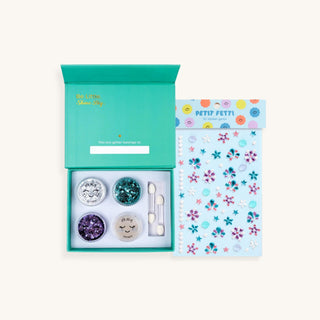
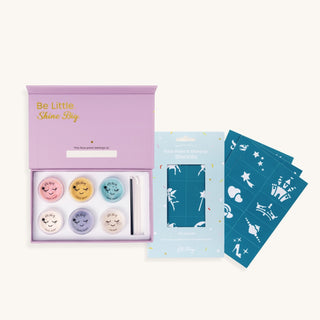
- a natural kids play makeup kit designed for imaginative play, dress-up, and creative self-expression without introducing foundation or complexion-focused beauty routines
Natural Kids Play Makeup Kit

$19.99
Looking for a clean beauty gift that’s safe, fun, and worry-free? This natural play makeup kit lets little ones explore color and creativity with non-toxic, skin-friendly formulas parents trust. Each kit includes vibrant loose powder eyeshadows, soft blush, lipstick, and… read more
How to talk about it
The language around this matters as much as the product. If a child asks for kids foundation makeup, try responding with curiosity before correction: What made you interested? Is this for play, a performance, a photo, or a feeling? Did someone say something about your skin?
Then separate care from coverage. You can say, "We take care of skin; we do not need to cover it to make it acceptable." You can also explain that some beauty products are for older ages, just like phones, social media, driving, or certain movies. Delay is not punishment. Delay is protection and timing.
What foundation can unintentionally teach children
One reason Popsicle Beauty Club encourages families to delay kids foundation makeup is that beauty habits often carry messages beyond the product itself. A child may not hear the words "your skin needs fixing," but repeated exposure to coverage-focused beauty can gradually communicate that natural skin is something to improve before it is ready to be seen.
Children learn through repetition. If every special event, photograph, recital, or social gathering begins with covering redness, freckles, texture, or blemishes, they may start to view those normal features as problems rather than ordinary parts of having skin. This does not mean a teenager can never wear foundation. It means the decision deserves context and conversation.
Many parents work hard to teach body confidence, self-respect, and healthy self-image. Beauty routines can support those goals when they focus on creativity, self-expression, and care. They can work against those goals when they focus primarily on correction, perfection, or hiding perceived flaws.
This is why Popsicle Beauty Club encourages families to separate beauty play from beauty correction. Colorful lip products, nail polish, temporary face art, and special-event looks can feel playful and expressive. Foundation is different because its primary purpose is often to change how skin appears. Waiting until a young person is mature enough to understand that distinction can help build a healthier relationship with beauty over time.
A parent checklist
- Do not buy foundation as a casual starter makeup product for a child.
- Avoid routines built around treating acne, redness, or normal skin variation as flaws to fix or correct.
- Keep makeup play colorful, temporary, supervised, and easy to remove.
- Use skin-care language that supports comfort and health, not embarrassment or concealment.
- For persistent irritation, acne, eczema, or rashes, seek individualized guidance from a qualified clinician.
Sources and further reading
- NIEHS: Cosmetics and Your Health
- NIEHS: Endocrine Disruptors
- FDA: Phthalates in Cosmetics
- American Academy of Pediatrics: Food Additives and Child Health
Bottom line
The best answer to kids foundation makeup is a thoughtful pause. If the goal is play, choose color and creativity. If the goal is discomfort with skin, start with the feeling and the care routine. Foundation can wait. Childhood does not need to be practiced through a corrected face.
For a complete guide on non-toxic play makeup, check out our in-depth resource: The Ultimate Guide to Non-Toxic Play Makeup for Kids for expert tips, product recommendations, and everything you need to know about choosing safe beauty play products for your child.

About the Author: This article was written by the contributing writers at Popsicle Beauty Club—a team of moms, educators, and clean beauty advocates passionate about creating a safer, more imaginative world for kids. We believe in empowering parents with trusted information and offering fun, non-toxic beauty and personal care products that let children play, express, and explore—without compromising their health.