

Table of Contents
- What To Expect In This Blog Post
- Introduction
- What Is Carmine?
- Why Carmine Creates Controversy in Cruelty-Free Beauty
- Why Ingredient Transparency Matters
- The Difference Between Cruelty-Free and Vegan Beauty
- Safer Alternatives to Carmine
- Why This Matters for Children’s Beauty Products
- How Families Can Shop More Intentionally
- Why the Beauty Industry Is Changing
- Final Thoughts
- FAQs
What To Expect In This Blog Post
- What carmine actually is
- Why carmine creates controversy in cruelty-free beauty
- How cruelty-free certifications work
- The gap between cruelty-free and vegan beauty standards
- Why ingredient transparency matters for families
- Safer alternatives to carmine in children’s cosmetics
- How to shop more intentionally for cruelty free makeup for kids
Introduction
Many families assume that a cruelty-free certification automatically means a product was made without harming animals in any way. But when it comes to cruelty free makeup for kids, the reality is often far more complicated than most consumers realize.
One of the biggest examples of this confusion is carmine, a red pigment made from crushed cochineal insects that still appears in many cosmetics marketed as “natural” or “cruelty-free.” While organizations like Leaping Bunny help reduce animal testing in the beauty industry, some cruelty-free certified products may still contain animal-derived ingredients like carmine because certification standards often focus only on testing practices rather than ingredient sourcing.
For families trying to shop more ethically and choose cruelty free makeup for kids, this creates understandable confusion. Many consumers believe cruelty-free products should avoid unnecessary animal harm altogether, not simply eliminate laboratory testing.
As ingredient transparency becomes increasingly important in clean beauty, more shoppers are beginning to question how cruelty-free standards are defined and whether current certifications fully align with consumer expectations around ethical beauty products for children.
What Is Carmine?
Carmine, sometimes listed as:
- cochineal extract
- natural red 4
- CI 75470
is a vivid red pigment created from crushed cochineal insects.
The insects are primarily farmed in parts of South America and are harvested in large quantities to create the deep red coloring used in:
- cosmetics
- lip products
- blushes
- food products
- beverages
- textiles
Carmine became popular because it creates rich pigmentation and offers greater stability than some plant-derived alternatives. However, the process behind obtaining the pigment involves killing thousands of insects, which is why its presence in cruelty-free beauty products has become controversial.
For consumers specifically researching cruelty free makeup for kids, carmine raises important ethical questions about what “cruelty-free” should actually mean in practice.
Why Carmine Creates Controversy in Cruelty-Free Beauty
The controversy surrounding carmine highlights a larger issue within the beauty industry: cruelty-free certifications are not always the same as vegan or animal-free formulations.
Leaping Bunny certification, for example, focuses primarily on preventing animal testing during product development. While that remains an important step forward for the industry, the certification does not automatically prohibit animal-derived ingredients.
That means a product can:
- avoid animal testing
- receive cruelty-free certification
- still contain ingredients sourced from animal harm
For many ethically conscious shoppers, this distinction feels misleading.
Families searching for cruelty free makeup for kids are often trying to avoid:
- animal testing
- animal-derived ingredients
- unnecessary harm
- hidden sourcing practices
When certifications fail to clearly explain these differences, consumers may assume products align more closely with their values than they actually do.
Why Ingredient Transparency Matters
The conversation around carmine reflects a growing demand for better ingredient transparency across the beauty industry.
Modern consumers are increasingly asking:
- Where do these ingredients come from?
- How are pigments sourced?
- Are animal-derived ingredients disclosed clearly?
- Are safer or plant-based alternatives available?
- What standards are certifications actually measuring?
This matters even more for cruelty free makeup for kids because parents are often balancing:
- ingredient safety
- ethical sourcing
- sensitive skin concerns
- environmental impact
- transparency
Many families are no longer satisfied with vague marketing claims alone. They want clear explanations about formulation choices and ingredient sourcing practices. Learning how harmful ingredients appear in children’s cosmetics can help families make more informed clean beauty decisions overall.
That shift is helping push the clean beauty industry toward more comprehensive standards and better disclosure practices overall.
The Difference Between Cruelty-Free and Vegan Beauty
One of the biggest misunderstandings in beauty marketing is assuming that cruelty-free and vegan mean the same thing.
They do not.
| Term | Meaning |
|---|---|
| Cruelty-Free | Product was not tested on animals |
| Vegan | Product contains no animal-derived ingredients |
A product may be cruelty-free while still containing:
- beeswax
- lanolin
- carmine
- collagen
- silk proteins
This distinction is especially important when shopping for cruelty free makeup for kids because many parents specifically want products that avoid both animal testing and animal-derived ingredients altogether.
Brands that openly disclose both certifications tend to provide greater clarity for ethically conscious shoppers.
Safer Alternatives to Carmine
As demand for cleaner and more transparent beauty products grows, many brands are moving toward plant-based or mineral-derived alternatives to carmine.
Some common alternatives include:
- beetroot extract
- red iron oxide
- radish pigment
- fruit-derived pigments
- mineral-based colorants
These alternatives help brands create vibrant color products without relying on insect-derived ingredients. Many clean beauty brands are also moving toward non-toxic makeup formulations designed specifically for sensitive younger skin.
Many newer clean beauty brands are also investing in:
- lower-impact pigment sourcing
- vegan formulations
- mineral pigments
- synthetic alternatives designed to reduce animal harm
For cruelty free makeup for kids, these alternatives often align better with both ethical and ingredient-conscious shopping priorities.
Why This Matters for Children’s Beauty Products
Children’s cosmetics and imaginative play products often rely heavily on bright colors and playful packaging, which makes pigment sourcing especially relevant.
Families shopping for cruelty free makeup for kids are increasingly paying attention to:
- synthetic dyes
- FD&C pigments
- animal-derived ingredients
- fragrance sensitivity
- overall ingredient transparency
The carmine conversation also reflects a broader shift in how consumers evaluate beauty products overall. Instead of focusing only on whether products “work,” many shoppers now care deeply about:
- sourcing ethics
- sustainability
- environmental impact
- animal welfare
- ingredient disclosure
That change is influencing how newer clean beauty brands formulate products for children and tweens. Choosing cruelty free makeup for kids becomes easier when products are designed with transparent ingredients, gentler pigments, and imaginative play in mind.
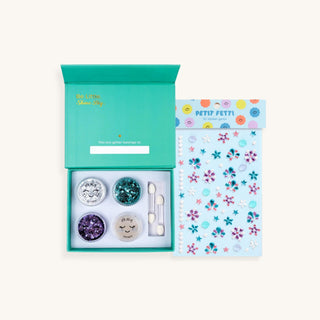
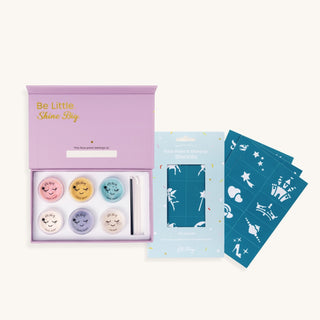
Hypoallergenic Face Paint Kit
$24.99
Step into a magical garden of color—without compromising on safety. This hypoallergenic face paint kit features five vibrant shades (Pink, Gold, Teal, Violet Pearl, and Purple), all made with a gentle, skin-loving formula that's perfect for sensitive skin. Handcrafted in… read more

How Families Can Shop More Intentionally
Navigating cruelty-free beauty labels can feel overwhelming at first, especially when standards vary between organizations and brands.
Families researching cruelty free makeup for kids can make more informed choices by:
Looking for Both Certifications
Products labeled both cruelty-free and vegan often provide stronger reassurance around ingredient sourcing.
Reading Full Ingredient Lists
Do not rely only on front-label marketing claims. Check ingredient disclosures carefully for terms like:
- carmine
- cochineal
- CI 75470
Supporting Transparent Brands
Brands that openly explain their sourcing practices and ingredient philosophies are often more aligned with modern clean beauty expectations.
Asking Questions
Consumers have more influence than they realize. Asking brands about ingredient sourcing encourages greater transparency across the industry.
Why the Beauty Industry Is Changing
The beauty industry is under increasing pressure to modernize ingredient transparency standards and improve ethical disclosure practices.
Consumers now expect:
- clearer ingredient sourcing
- fewer hidden additives
- transparent certifications
- better ethical standards
- safer formulations for children
The conversation surrounding cruelty free makeup for kids is becoming part of a much larger shift toward accountability and transparency throughout clean beauty.
As consumer awareness grows, brands that fail to evolve may struggle to maintain trust with ingredient-conscious families.
Final Thoughts
Cruelty-free certifications have helped reduce animal testing across the beauty industry, but the carmine controversy shows there is still significant room for improvement when it comes to ingredient transparency and ethical sourcing.
Families searching for cruelty free makeup for kids are often looking for products that align with a broader set of values, including:
- ingredient safety
- transparency
- sustainability
- animal welfare
- gentler formulations
Understanding the difference between cruelty-free and vegan beauty is an important step toward making more informed choices.
At Popsicle Beauty Club, we believe ingredient transparency should be clear, accessible, and honest. Families deserve beauty products designed with thoughtful formulation standards and greater attention to both safety and ethical sourcing practices.
Because truly conscious beauty should involve more than marketing claims alone.
Curious about which harmful ingredients to avoid in your child's beauty products? Read The Truth About Harmful Beauty Ingredients for Kids to uncover the hidden toxins in mainstream makeup, skincare, and hair care—and discover safer alternatives.

About the Author: This article was written by the contributing writers at Popsicle Beauty Club—a team of moms, educators, and clean beauty advocates passionate about creating a safer, more imaginative world for kids. We believe in empowering parents with trusted information and offering fun, non-toxic beauty and personal care products that let children play, express, and explore—without compromising their health.
FAQs
What does cruelty-free makeup mean?
Cruelty-free makeup refers to products that were not tested on animals during development or manufacturing.
Is cruelty-free the same as vegan?
No. Cruelty-free products may still contain animal-derived ingredients, while vegan products avoid animal ingredients entirely.
What is carmine in makeup?
Carmine is a red pigment made from crushed cochineal insects and is commonly used in cosmetics and food products.
Why is carmine controversial?
Many consumers feel carmine conflicts with cruelty-free values because it involves killing insects to create cosmetic pigments.
Is cruelty free makeup for kids better for sensitive skin?
Many cruelty free makeup for kids products also prioritize gentler ingredients and cleaner formulations, though ingredient labels should still be reviewed carefully.