

Table of Contents
- What To Expect In This Blog Post
- Introduction
- Why Red Dye No. 3 Stayed in Food for So Long
- The U.S. Continues to Lag Behind Ingredient Safety Standards
- Why Ingredient Transparency Matters So Much for Children
- What Families Should Look for Instead
- Why the Clean Beauty Movement Is Changing
- A More Thoughtful Future for Children’s Products
- What Families Can Do Right Now
- Final Thoughts: Why Higher Standards Matter
- FAQs
What To Expect In This Blog Post
- Why the Red Dye No. 3 ban matters
- How synthetic dyes stayed in food for decades
- What this reveals about ingredient transparency in the U.S.
- Why dye free makeup for kids matters beyond beauty products
- The connection between petroleum-derived dyes and children’s products
- What safer alternatives look like
- How families can make more informed ingredient decisions
Introduction
The recent ban on Red Dye No. 3 in food has sparked a larger conversation about ingredient safety, corporate influence, and why cleaner standards have taken so long to reach American consumers. For many families researching dye free makeup for kids, the announcement felt both validating and frustrating at the same time. If Red Dye No. 3 was considered unsafe enough to ban in cosmetics decades ago, why was it still allowed in food products marketed directly to children?
That contradiction highlights a much bigger issue: ingredient transparency in the United States often lags far behind what many consumers assume already exists. Artificial dyes derived from petroleum continue appearing in everything from candy and cereals to children’s vitamins and cosmetics, despite growing concerns surrounding behavioral issues, sensitivities, allergic reactions, and long-term exposure risks.
At Popsicle Beauty Club, ingredient transparency has always been central to how we evaluate products. We believe families looking for dye free makeup for kids deserve more than marketing buzzwords or vague “clean beauty” claims. They deserve clear ingredient disclosure, safer formulation standards, and products designed with genuinely sensitive skin in mind. Families beginning their ingredient safety journey can also explore our guide to harmful beauty ingredients for kids to better understand common additives found in children’s cosmetics.
The Red Dye No. 3 ban may represent progress, but it also raises an important question: how many other questionable ingredients are still being normalized simply because regulation has not yet caught up with modern consumer awareness?
Why Red Dye No. 3 Stayed in Food for So Long
One of the most frustrating aspects of the Red Dye No. 3 conversation is the timeline itself. The ingredient was banned from cosmetics in 1990 after studies linked it to cancer concerns in laboratory testing. Yet it remained legal in food products for more than three decades afterward.
For many consumers, that contradiction exposed just how inconsistent ingredient regulation can be.
Artificial dyes like Red Dye No. 3 are inexpensive to manufacture because they are derived from petroleum byproducts. They create bright, eye-catching colors that make processed foods and children’s products appear more visually appealing, which is exactly why they became so heavily embedded in the food industry.
Several factors contributed to the delay in regulation:
| Industry Factor | Why It Matters |
|---|---|
| Low manufacturing costs | Synthetic dyes are cheaper than many natural alternatives |
| Shelf stability | Artificial dyes maintain color consistency longer |
| Marketing appeal | Bright colors attract attention, especially in children’s products |
| Regulatory loopholes | Ingredient approval standards have historically moved slowly |
| Industry lobbying | Large industries often resist reformulation requirements |
The issue extends beyond food. Many of the same synthetic dyes still appear in cosmetics and personal care products marketed as “safe,” “clean,” or “kid-friendly.”
That overlap is one reason the conversation around dye free makeup for kids continues gaining momentum among families looking for more transparent alternatives.
The U.S. Continues to Lag Behind Ingredient Safety Standards
The Red Dye No. 3 situation also reflects a broader regulatory gap between the United States and other regions, particularly the European Union.
While the EU has banned or restricted more than 1,600 cosmetic ingredients, the United States has prohibited fewer than 20 in many comparable categories. Several artificial dyes and additives already restricted overseas continue appearing in American products marketed to both adults and children.
This creates a confusing landscape for consumers because many brands quietly reformulate products for European markets while continuing to sell older ingredient profiles domestically.
For families researching dye free makeup for kids, that inconsistency matters because it reinforces the reality that terms like:
- “Natural”
- “Non-toxic”
- “Clean”
- “Gentle”
- “Kid-safe”
are not always tightly regulated marketing claims.
Without careful ingredient review, products that appear safer on the surface may still contain petroleum-derived dyes, synthetic pigments, undisclosed fragrances, or unnecessary additives.
At Popsicle Beauty Club, we believe cleaner beauty standards should involve more than removing a short list of commonly criticized ingredients. Truly thoughtful formulations should prioritize transparency from start to finish.
Why Ingredient Transparency Matters So Much for Children
Children are uniquely vulnerable to chemical exposure because their bodies, immune systems, and skin barriers are still developing. That does not mean every synthetic ingredient automatically causes harm, but it does mean cumulative exposure deserves more thoughtful consideration.
Many families interested in dye free makeup for kids are not approaching the issue from a place of fear. Instead, they are looking for ways to reduce unnecessary exposure where safer alternatives already exist.
Artificial dyes have been associated with concerns including:
- Behavioral sensitivities
- Allergic reactions
- Skin irritation
- Hyperactivity concerns in some children
- Potential heavy metal contamination risks
- Endocrine disruption concerns linked to certain additives
Research surrounding synthetic dyes continues evolving, but growing awareness has pushed many consumers toward products with simpler ingredient profiles and more transparent sourcing practices.
That shift is also influencing the beauty industry, particularly among brands focused on children’s cosmetics and imaginative play products.
What Families Should Look for Instead
As conversations around synthetic dyes continue growing, many brands are beginning to explore alternative approaches that align more closely with modern clean beauty expectations.
For families shopping for dye free makeup for kids, several formulation details can help identify products that prioritize gentler ingredient philosophies.
Features Worth Prioritizing
- Mineral-based pigments
- Naturally derived colorants
- Transparent ingredient lists
- Sensitive-skin-friendly formulations
- Fragrance-conscious products
- Smaller ingredient lists where possible
Ingredient Practices Worth Questioning
- FD&C dyes
- Lake pigments
- Petroleum-derived synthetic colorants
- Vague “may contain” labeling
- Undisclosed fragrance blends
- Over-reliance on marketing claims without ingredient transparency
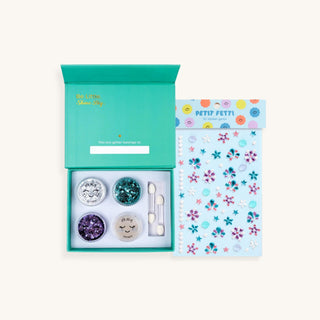
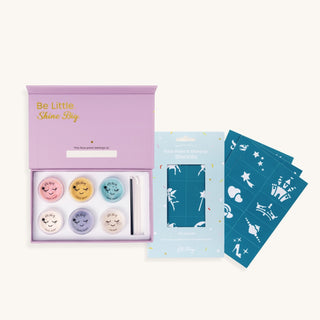
For families trying to move toward dye free makeup for kids without sacrificing fun or creativity, choosing products with simpler ingredient profiles and gentler pigments can make a meaningful difference. We highly recommend this natural kids play makeup kit by Oh Flossy.
Natural Kids Play Makeup Kit
$34.99
$40.99
Looking for a clean beauty gift that’s safe, fun, and worry-free? This natural play makeup kit lets little ones explore color and creativity with non-toxic, skin-friendly formulas parents trust. Each kit includes vibrant loose powder eyeshadows, soft blush, lipstick, and… read more

The goal is not perfection. Ingredient research can quickly become overwhelming, especially for families balancing practical budgets, sensitive skin concerns, and children’s preferences.
Instead, the focus should be on making more informed choices over time and supporting brands that actively prioritize transparency rather than relying on greenwashing language. For families researching safer color cosmetics more broadly, our guide to non toxic nail polish explains how synthetic dyes and pigment sourcing impact cleaner beauty standards for children.
Why the Clean Beauty Movement Is Changing
The clean beauty industry has evolved significantly over the last several years. Consumers are no longer satisfied with vague promises or minimalist packaging alone. They want specifics.
That includes:
- Full ingredient disclosure
- Better sourcing practices
- Fewer synthetic additives
- Clearer labeling standards
- Products designed for sensitive skin
- Safer alternatives for children and tweens
The growing demand for dye free makeup for kids reflects this broader shift toward ingredient-conscious purchasing decisions.
Families are asking tougher questions:
- What creates the color in this product?
- Are the pigments synthetic or mineral-based?
- Why are certain additives still being used?
- Does the company fully disclose its ingredients?
- Are cleaner alternatives already available?
Brands that cannot answer those questions transparently will likely face increasing pressure as ingredient awareness continues growing.
A More Thoughtful Future for Children’s Products
One encouraging outcome of the Red Dye No. 3 ban is that it signals growing public awareness around ingredient transparency. Consumers are paying closer attention, asking more questions, and pushing brands toward safer alternatives.
Several broader shifts are already beginning to happen:
More Natural Color Alternatives
Brands are increasingly experimenting with:
- Beetroot-derived pigments
- Spirulina
- Turmeric
- Mineral-based colorants
- Plant-derived alternatives
Increased Label Transparency
Consumers are demanding:
- clearer ingredient labeling
- easier-to-understand disclosures
- fewer hidden additives
- greater sourcing transparency
Cleaner Formulations for Children
The demand for dye free makeup for kids continues encouraging brands to rethink how children’s cosmetics are formulated, marketed, and regulated.
That pressure matters because meaningful industry change rarely happens without consumer awareness first.
What Families Can Do Right Now
Ingredient transparency can feel overwhelming initially, but small steps often make the biggest difference over time.
Families looking to reduce unnecessary exposure to synthetic dyes can start by:
- Reading ingredient labels more closely
- Researching unfamiliar additives
- Supporting brands with transparent formulations
- Choosing products with simpler ingredient profiles
- Prioritizing dye free makeup for kids when possible
- Looking beyond “clean beauty” marketing claims
Even small product swaps can gradually reduce unnecessary exposure while helping families feel more confident about the products they bring into their homes.
Final Thoughts: Why Higher Standards Matter
The Red Dye No. 3 ban may be long overdue, but it represents an important shift in how consumers think about ingredient safety and transparency. It also highlights why cleaner standards cannot rely solely on marketing language or delayed regulation.
Families searching for dye free makeup for kids are often looking for something much bigger than cosmetics alone. They are looking for transparency, honesty, and products that align more closely with modern expectations around health-conscious formulation.
At Popsicle Beauty Club, we believe ingredient transparency should never feel optional. Safer beauty products for children should prioritize thoughtful formulations, clear disclosure practices, and gentler alternatives wherever possible.
Because when it comes to products designed for kids, higher standards should not be considered a luxury. They should be the baseline.
For a deeper dive into safe skincare for kids, visit Safe & Non-Toxic Skincare for Kids to discover the best clean beauty products, DIY recipes, and tips for keeping your child’s skin healthy and toxin-free.

About the Author: This article was written by the contributing writers at Popsicle Beauty Club—a team of moms, educators, and clean beauty advocates passionate about creating a safer, more imaginative world for kids. We believe in empowering parents with trusted information and offering fun, non-toxic beauty and personal care products that let children play, express, and explore—without compromising their health.
FAQs
Why are families looking for dye free makeup for kids?
Many families are becoming more ingredient-conscious and want to avoid unnecessary exposure to synthetic dyes, petroleum-derived colorants, and heavily fragranced products that may irritate sensitive skin.
What ingredients should I avoid when shopping for dye free makeup for kids?
Look closely for FD&C dyes, lake pigments, undisclosed fragrance blends, petroleum-derived colorants, and vague “may contain” ingredient labeling.
Is mineral-based makeup safer for children?
Mineral-based pigments are often preferred because they can provide color without relying on synthetic petroleum-derived dyes commonly used in mainstream cosmetics.
Why was Red Dye No. 3 controversial?
Red Dye No. 3 was banned in cosmetics decades ago due to cancer concerns in lab studies, yet it remained legal in food products for many years afterward, raising concerns about ingredient regulation consistency.
Can products still be labeled “clean” while containing synthetic dyes?
Yes. Many products marketed as “clean” or “non-toxic” may still contain synthetic dyes or questionable additives because these terms are not always tightly regulated.
How can I make safer beauty choices for children?
Focus on transparent ingredient lists, fragrance-conscious formulations, mineral-based pigments, and brands that openly discuss sourcing and formulation philosophy.