

Table of Contents
- Introduction
- 1) What is biodegradable hair tinsel (and how is it different from glitter)?
- 2) What “biodegradable” can mean on a label (and what to verify)
- 3) Shopping criteria: how to choose biodegradable hair tinsel that looks good and behaves well
- 4) Safety and comfort: scalp, sensitive skin, and kid-friendly use
- 5) How to apply biodegradable hair tinsel so it lasts (without wrecking your hair)
- 6) Removal, cleanup, and wear time: what to expect day-to-day
- 7) Bottom line: how to buy biodegradable hair tinsel confidently
- FAQs
Introduction
Hair sparkle is having a moment again—festival season, birthday parties, dance recitals, and even “just because” days. If you’re trying to keep the fun while reducing plastic micro-shine, biodegradable hair tinsel can sound like the obvious upgrade. But “biodegradable” is a label term, not a guarantee, and hair tinsel isn’t the same thing as glitter.
This guide is for beauty shoppers and parents who want practical, non-alarmist help choosing biodegradable hair tinsel: what to look for on labels, what questions to ask, how to apply it so it actually stays put, and how to remove it without turning wash day into a knot festival. As always, check labels and patch test when products touch your skin.
1) What is biodegradable hair tinsel (and how is it different from glitter)?
Biodegradable hair tinsel is typically made of thin, reflective strands designed to be attached to the hair (tied to a strand, clipped in, or adhered). It’s meant to read like “sparkly hair extensions” rather than an all-over shimmer.
By contrast, biodegradable hair glitter or biodegradable glitter for hair is usually a small particle (hex, square, or irregular) that you place along part lines, buns, edges, or on top of gel. It behaves like makeup or body sparkle: it can migrate, transfer, and shed throughout the day.
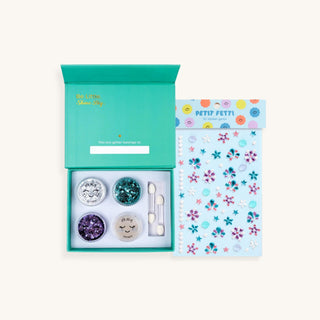
If you prefer a sparkle option that doesn't require attaching strands to the hair, our Certified Biodegradable Bio-glitter® is made from plants rather than plastic, is home compostable, and can be used on the hair, face, body, and nails for a flexible shimmer effect.
Certified Biodegradable Bio-glitter®
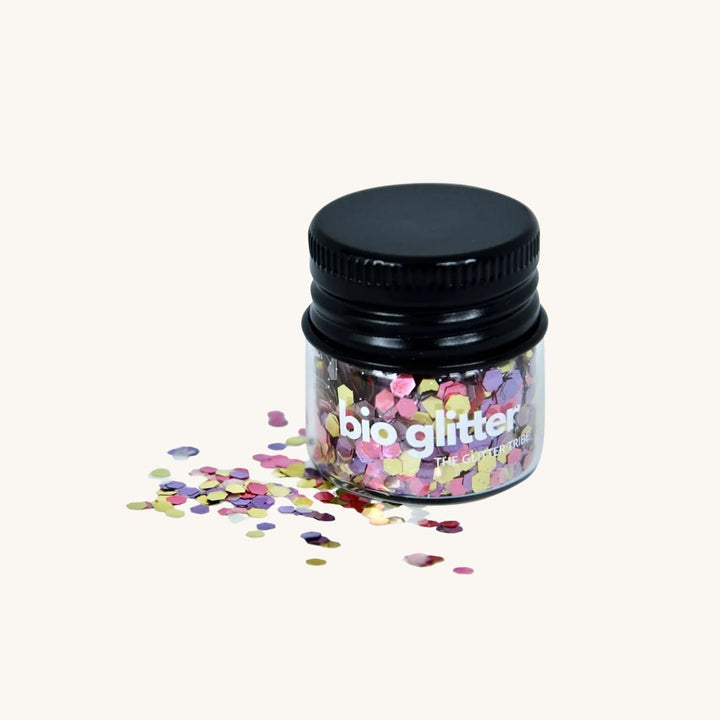
$11.99
Shine like the night sky—without the environmental guilt—with Certified Biodegradable Bio-glitter®. Packaged in a reusable 10g glass jar inside a gift-ready cardboard box, this glitter is made from plants, not plastic, and is certified biodegradable and home compostable. It’s cosmetic… read more
Why it matters: application and cleanup are totally different. Tinsel is more controlled if installed well, but it can snag and tangle. Glitter is more flexible stylistically, but it can spread to pillows, car seats, and eyes if used carelessly. If you’re shopping for “hair sparkle,” decide first whether you want strand-by-strand twinkle (biodegradable hair tinsel) or a wash-in/brush-on shimmer (biodegradable glitter). If you're still comparing the two options, our guide to biodegradable glitter for hair explains how glitter behaves differently from tinsel during application, wear, and cleanup.
2) What “biodegradable” can mean on a label (and what to verify)
“Biodegradable” isn’t a single universal standard across every beauty accessory. Some materials break down more readily than conventional plastics, but the conditions and timelines can vary widely (home compost vs. industrial compost vs. general environment). That means the best approach is to read the product description carefully and look for specific material disclosure.
Look for clear material language
- What is the strand made from? A brand should be able to state the base material (not just “eco glitter” or “biodegradable”).
- Is it film-based or fiber-based? Tinsel strands can be film-like or fiber-like. The feel and snag potential differ, and the base material matters for biodegradability.
- Any coatings? Reflective shine often comes from coatings or surface treatments. If a product is marketed as biodegradable, it’s fair to look for notes on coatings, dyes, and finishes.
Be cautious with vague phrasing
Terms like “eco,” “green,” “planet-friendly,” or “non-plastic” can be marketing shorthand. They aren’t automatically bad, but they’re not the same as ingredient/material transparency. If the listing doesn’t say what it’s made of, consider that a shopping red flag—especially if you’re buying for kids or sensitive scalps.
Also, “biodegradable” doesn’t always mean “safe around eyes,” and it doesn’t automatically mean “non-irritating.” That’s where patch testing and sensible placement come in.
3) Shopping criteria: how to choose biodegradable hair tinsel that looks good and behaves well
Not all biodegradable hair tinsel wears the same. Use this checklist to narrow down options that are more likely to be comfortable, low-mess, and easy to remove.
Attachment method
- Tie-in (knot) strands: Usually the most natural-looking and flexible. Look for instructions that specify strand count and how to secure without pulling.
- Clip-ins: Easiest for one-day wear and for kids who change their mind. Check that the clip feels smooth and not scratchy against the scalp.
- Adhesive: Be selective here. Adhesives can irritate skin and leave residue. If an adhesive touches skin, patch test and avoid the lash line/eye area.
Strand thickness and length
- Fine strands: More subtle, less “crafty,” and often less prone to stiff poking.
- Very thick/rigid strands: Can look bold but may snag more and feel less comfortable in ponytails or under hats.
- Length: Choose a length you can trim without fraying. If the tinsel frays, it can look fuzzy and become harder to detangle.
Shed and snag risk (especially for curly/coily or fine hair)
Any tinsel can catch on combs, rings, and textured knits. If your hair tangles easily, prioritize tie-in strands that are smooth and flexible, and avoid overly stiff sparkle. For curls and coils, consider placing tinsel closer to the ends rather than near the root, where detangling matters most.
Colorants, dyes, and “non toxic hair glitter” claims
You’ll sometimes see non toxic hair glitter language applied broadly to sparkle products. Treat “non toxic” as a starting point, not a finish line. Look for:
- Clear usage guidance: What areas are intended (hair only vs. hair and body).
- Warnings about eye area: Anything sparkly can migrate. If you’re using it near the face, use minimal product and keep it away from the waterline.
- Skin-contact notes: If it’s “hair only,” keep it off the scalp/skin as much as possible.
If you’re also shopping for biodegradable face glitter for matching looks, keep face products and hair accessories separate: face products should be formulated and labeled for skin use, while tinsel is an accessory that may not be designed to touch skin directly.
4) Safety and comfort: scalp, sensitive skin, and kid-friendly use
Biodegradable hair tinsel is still a foreign material near the scalp and eyes, so it’s smart to take a few precautions—especially for kids and sensitive skin types.
- Patch test when appropriate: If there’s any adhesive, gel, or styling product involved, patch test that product first. Even if tinsel itself doesn’t “absorb,” the products used to install it can irritate.
- Avoid the eye area: Place tinsel so it doesn’t swing into eyes during play, sports, or windy conditions. For shorter face-framing layers, install farther back or choose clip-ins you can remove quickly.
- Don’t install on irritated scalp: If the scalp is already tender (tight braids, sunburn, dermatitis flare), skip tinsel until things calm down.
- Use gentle tension: Too-tight tie-ins can cause pulling and discomfort. You want secure, not tight.
For parents: consider doing a “one-strand test” first. Install 1–2 strands, let your child wear it for a day, and see how it behaves during school, naps, and brushing. If it snags or annoys them, you’ll be glad you didn’t install 20 strands at once.
5) How to apply biodegradable hair tinsel so it lasts (without wrecking your hair)
A great sparkle moment should not require a heroic detangling session later. The key is placement and tension control.
Prep
- Start on dry, detangled hair. Tinsel installed on tangled hair will tighten around knots.
- Choose a placement zone. For most people, 1–2 inches back from the hairline is more comfortable and less likely to fall into the eyes.
- Pick strand count based on density. Fine hair usually looks best with fewer strands placed strategically; thick hair can handle more without looking sparse.
Placement tips by hairstyle
- Down hair: Place a few strands on each side so sparkle shows when you move.
- Ponytails and buns: Install lower than where the elastic sits to reduce rubbing and breakage.
- Braids: Clip-ins can be easier than tie-ins; tie-ins can get hidden inside braid structure.
If you’re pairing tinsel with biodegradable glitter for hair, apply the glitter product last. That way you’re not tying tinsel onto hair that’s sticky with gel or glitter balm.
6) Removal, cleanup, and wear time: what to expect day-to-day
Part of buying biodegradable hair tinsel is being honest about how long you want to keep it in and how much maintenance you’ll tolerate.
Daily care
- Brush gently around the attachment point. Hold hair near the root and brush the lengths first, then work upward.
- Avoid high-friction fabrics. Chunky scarves, scratchy knits, and heavy hoods can tug strands.
- Sleep strategy: Loose braid or silk/satin bonnet helps reduce tangling and rubbing.
Washing and removal
- Shampoo with intention: Let water and shampoo loosen product buildup first, then gently separate around the tinsel attachment.
- Detangle with slip: Use a conditioner you already know works for your hair type and detangle slowly.
- Remove before it becomes a knot: If you notice consistent snagging, it’s better to remove earlier than to wait until it mats.
Cleanup matters, too. Even when something is labeled biodegradable, it doesn’t mean it should be rinsed in bulk down the drain. Remove strands by hand when possible, toss them in the trash if they’re no longer wearable, and keep loose sparkle out of waterways. If the tinsel is clip-in and still in good shape, store it for reuse.
7) Bottom line: how to buy biodegradable hair tinsel confidently
Biodegradable hair tinsel is a fun, lower-plastic-intent alternative to traditional sparkle accessories—but the quality and clarity of labeling vary. The best buys are the ones that clearly state what the strands are made of, explain how to attach and remove them, and fit your real life (kids’ play, sports, sleep, and wash day included).
Prioritize: material transparency, a comfortable attachment method, realistic snag/shed behavior, and sensible safety guidance. Check labels, keep sparkle away from eyes, and patch test any adhesive or styling product used in installation. With the right choice and a gentle routine, biodegradable hair tinsel can deliver that twinkle effect without turning into a messy or uncomfortable commitment.
Encourage creative, toxin-free play with our guide: The Ultimate Guide to Non-Toxic Play for Kids, where you'll find eco-friendly dress-up ideas, DIY play makeup, and safe role-playing alternatives.

About the Author: This article was written by the contributing writers at Popsicle Beauty Club—a team of moms, educators, and clean beauty advocates passionate about creating a safer, more imaginative world for kids. We believe in empowering parents with trusted information and offering fun, non-toxic beauty and personal care products that let children play, express, and explore—without compromising their health.