

Table of Contents
- What To Expect In This Guide
- Introduction
- Why Skincare for Kids Should Stay Simple
- Step 1: Start With the Basics
- Step 2: Address Specific Skin Needs Gently
- Step 3: Make Skincare Feel Fun and Positive
- Why Ingredient Awareness Matters Early
- How Nutrition and Lifestyle Affect Skin Health
- When To Seek Professional Help
- Final Thoughts
- FAQs
What To Expect In This Guide
- Why skincare for kids should stay simple
- The ideal beginner skincare routine for tweens
- How to handle acne, dryness, and combination skin gently
- Ingredients many families prefer to avoid
- How nutrition and lifestyle affect skin health
- Ways to make skincare feel fun and age-appropriate
- When to seek professional guidance
Introduction
As tweens become more interested in beauty, self-care, and skincare trends online, many families begin researching skincare for kids to figure out what routines are actually appropriate for younger skin. The challenge is that many products marketed toward tweens are heavily influenced by adult skincare trends, social media routines, and complicated ingredient lists that younger skin often does not need.
The truth is that skincare for kids should remain simple, gentle, and focused on supporting healthy skin habits rather than chasing perfection. Tween skin is still developing, which means overly aggressive products, harsh exfoliants, synthetic fragrance, and strong active ingredients can sometimes do more harm than good.
A healthy skincare routine at this age should help children learn consistency, hygiene, and self-care while protecting their skin barrier and avoiding unnecessary irritation. The goal is not a 10-step routine. It is building healthy habits that support long-term skin wellness in a calm, age-appropriate way.
This guide breaks down how to create a tween-friendly skincare routine, how to support common skin concerns gently, and what many clean beauty-conscious families now look for when choosing skincare for kids.
Why Skincare for Kids Should Stay Simple
One of the biggest misconceptions about tween skincare is that children need complex routines similar to adults. In reality, younger skin is naturally softer, thinner, and often more sensitive than adult skin.
Many trending skincare products contain:
- strong exfoliating acids
- retinol
- synthetic fragrance
- alcohol-heavy formulas
- harsh scrubs
- unnecessary active ingredients
For tweens, these ingredients may sometimes lead to:
- irritation
- dryness
- barrier disruption
- redness
- increased sensitivity
Instead, skincare for kids usually works best when routines focus on three core foundations:
| Skincare Step | Why It Matters |
|---|---|
| Gentle cleansing | Removes dirt, sweat, and oil without stripping skin |
| Hydration | Supports a healthy skin barrier |
| Sun protection | Helps protect delicate skin from UV damage |
Keeping routines simple also reduces pressure around appearance and encourages healthier long-term habits.
Step 1: Start With the Basics
Gentle Cleansing
As hormonal changes begin, tweens may notice increased oil production, sweat, or occasional breakouts. A gentle cleanser helps remove buildup while maintaining the skin’s natural balance.
When choosing skincare for kids, many families prefer cleansers that avoid:
- sulfates
- synthetic fragrance
- harsh exfoliants
- drying alcohols
- aggressive foaming agents
Instead, gentler ingredients often include:
- aloe vera
- oat extract
- chamomile
- glycerin
- calendula
Over-cleansing can sometimes worsen irritation, so washing once or twice daily is usually enough for most tweens. Building a simple skincare routine becomes much easier when products are designed specifically for younger, sensitive skin. Gentle formulations that prioritize hydration and ingredient transparency can help tweens build healthy habits without overwhelming their skin barrier. We highly recommend this skin care set by Natural Outcome.
Fragrance-Free Kids Skincare Set

$29.99
$32.98
The Natural Outcome fragrance-free Kids Skincare Set includes two everyday essentials—the Teen Skin Ultra Gentle Foaming Face Wash and the Teen Skin Calm Control non toxic face moisturizer. Designed for teens and pre-teens, this plant-based duo makes skincare simple and… read more
Lightweight Moisturizing
Even oily or combination skin still needs hydration. Skipping moisturizer can sometimes cause skin to overproduce oil in response to dryness.
A lightweight moisturizer may help support:
- skin barrier function
- balanced hydration
- smoother texture
- comfort during seasonal dryness
Many skincare for kids routines work best with moisturizers that are:
- fragrance-free
- non-comedogenic
- lightweight
- suitable for sensitive skin
Ingredients commonly preferred include:
- ceramides
- squalane
- sunflower oil
- aloe vera
- shea butter
Daily Sun Protection
Daily SPF is one of the healthiest skincare habits tweens can develop early. Sun protection supports long-term skin health and helps reduce cumulative UV damage over time.
Many clean beauty-conscious families now prefer mineral-based sunscreen formulas for children because they sit on top of the skin rather than being absorbed into it.
Ingredients many families often look for include:
- non-nano zinc oxide
- titanium dioxide
- fragrance-free formulas
- paraben-free formulations
Many also choose to avoid chemical UV filters like oxybenzone or octinoxate due to broader clean beauty ingredient concerns. Understanding how sunscreen ingredients affect sensitive skin can help make daily SPF choices feel much less overwhelming.
Step 2: Address Specific Skin Needs Gently
Not every tween has the same skin concerns. Some experience occasional breakouts, while others struggle more with dryness, sensitivity, or combination skin.
The goal is to support skin gently without overcomplicating routines.
Acne-Prone Skin
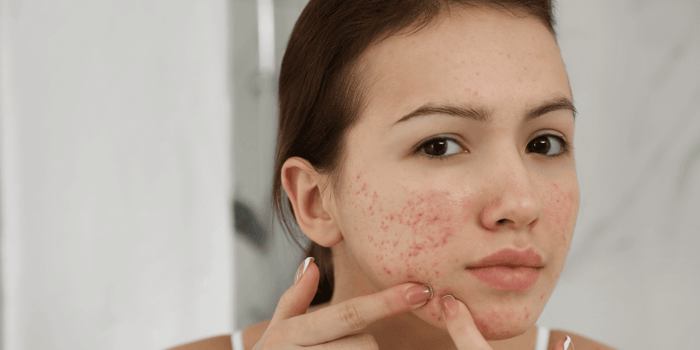
Occasional breakouts are common during the tween years as hormones begin affecting oil production.
Rather than jumping immediately to harsh acne systems, many dermatologists recommend starting conservatively with:
- consistent cleansing
- lightweight hydration
- avoiding over-exfoliation
- gentle spot treatments when needed
Some families also prefer ingredients like willow bark extract, a natural source of salicin compounds similar to salicylic acid that may feel gentler on sensitive skin.
Picking at blemishes can worsen inflammation and increase the likelihood of scarring, so encouraging gentle habits is important.
Dry or Rash-Prone Skin
Dry or reactive skin often benefits from fragrance-free products with fewer unnecessary additives.
Many skincare for kids products designed for sensitive skin now include:
- colloidal oatmeal
- ceramides
- aloe vera
- calendula
- shea butter
Long hot showers, heavily fragranced soaps, and harsh cleansers can sometimes make dryness worse by disrupting the skin barrier further.
Supporting hydration consistently often matters more than using stronger products.
Combination Skin
Combination skin is also common during puberty transitions. Tweens may notice an oily forehead, nose, or chin while cheeks remain dry or normal.
A balanced routine usually works best:
- gentle cleanser
- lightweight moisturizer
- avoiding harsh stripping ingredients
- occasional oil-absorbing sheets if needed
Trying to “dry out” oily skin can sometimes trigger even more oil production over time.
Step 3: Make Skincare Feel Fun and Positive
Tweens are far more likely to stick to healthy habits when routines feel enjoyable instead of stressful or appearance-focused.
Skincare routines can become a healthy form of self-care rather than something tied to perfection.
Let Them Participate
Allowing tweens to help choose products can make routines feel more personal and empowering.
Many children enjoy:
- fun packaging
- soft textures
- mild natural scents
- pastel or calming aesthetics
At the same time, ingredient quality should still remain the priority.
Simple DIY Skincare Activities
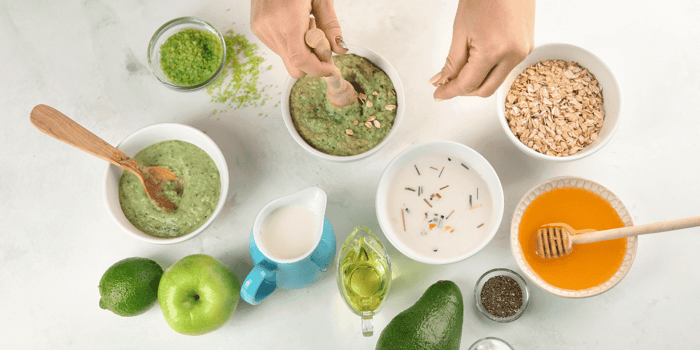
Simple homemade skincare activities can also make skincare feel creative and educational when done safely.
Popular beginner-friendly ideas include:
- honey and yogurt masks
- cucumber toner
- oatmeal soothing masks
Whenever trying DIY skincare, it is important to avoid irritating ingredients like lemon juice, baking soda, or heavily fragranced essential oils.
Why Ingredient Awareness Matters Early
One of the most valuable things tweens can learn early is how to think critically about ingredient labels and beauty marketing.
Many products marketed toward younger audiences still contain:
- synthetic fragrance
- artificial dyes
- harsh preservatives
- sulfates
- heavily fragranced formulas
Learning about ingredient transparency early helps children build healthier long-term consumer habits without creating fear around skincare itself. Many families also use ingredient-checking tools and clean beauty education resources to better understand what is actually inside children’s skincare products.
At Popsicle Beauty Club, ingredient transparency remains one of the most important parts of product selection. Products marketed as “clean” or “gentle” do not always meet higher ingredient standards once labels are reviewed closely.
How Nutrition and Lifestyle Affect Skin Health
Skin health is not only influenced by topical products. Lifestyle factors often play a major role in how skin behaves during the tween years.
A balanced lifestyle may help support healthier skin overall through:
- consistent hydration
- balanced meals
- quality sleep
- physical activity
- reduced stress
Many families also focus on meals rich in:
- fruits
- vegetables
- lean proteins
- healthy fats
- whole grains
These nutrients help support the skin barrier and overall wellness.
Some children may also experience sensitivities to certain foods, which is why persistent skin issues sometimes benefit from professional guidance.
When To Seek Professional Help
Sometimes gentle skincare routines are not enough to fully resolve ongoing skin issues.
If a tween experiences:
- persistent acne
- recurring rashes
- painful irritation
- severe dryness
- worsening inflammation
it may be worth consulting a dermatologist for more personalized guidance.
Some families also choose to work with nutrition professionals to evaluate possible dietary sensitivities or lifestyle factors contributing to ongoing skin concerns.
Seeking professional help should feel supportive rather than alarming. Skin changes during puberty are extremely common, and many concerns can improve significantly with gentle guidance and consistency.
Final Thoughts
Creating a healthy skincare routine for tweens does not need to feel overwhelming. In most cases, skincare for kids works best when it stays simple, gentle, and focused on supporting healthy habits rather than chasing trends or perfection.
A beginner-friendly routine built around gentle cleansing, lightweight hydration, and daily sun protection can help tweens feel confident caring for their skin while protecting their still-developing skin barrier.
As ingredient awareness continues growing, many families are also becoming more intentional about choosing products with better ingredient transparency, fewer harsh additives, and gentler formulations designed specifically for younger skin.
The goal is not flawless skin. It is helping children build healthy, balanced habits that support confidence, self-care, and long-term skin wellness in a positive way.
For a deeper dive into safe skincare for kids, visit Safe & Non-Toxic Skincare for Kids to discover the best clean beauty products, DIY recipes, and tips for keeping your child’s skin healthy and toxin-free.

About the Author: This article was written by the contributing writers at Popsicle Beauty Club—a team of moms, educators, and clean beauty advocates passionate about creating a safer, more imaginative world for kids. We believe in empowering parents with trusted information and offering fun, non-toxic beauty and personal care products that let children play, express, and explore—without compromising their health.
FAQs
What is the best skincare routine for tweens?
The best skincare routine for tweens is usually a simple routine that includes gentle cleansing, lightweight moisturizing, and daily mineral-based sun protection.
At what age should kids start skincare?
Many children begin basic skincare routines between ages 8–12, especially as hormonal changes begin affecting oil production and skin sensitivity.
What ingredients should tweens avoid in skincare?
Many families prefer to avoid strong acids, retinol, synthetic fragrance, harsh exfoliants, sulfates, and heavily fragranced products when choosing skincare for kids.
Is sunscreen important for tweens?
Yes. Daily SPF helps protect delicate skin from UV damage and supports healthier long-term skin habits.
Can tweens use adult skincare products?
Some adult products may be too harsh for younger skin. Tween skincare routines usually work best with gentler formulations designed for sensitive skin and developing skin barriers.