
Table of Contents
- Introduction
- Quick, answer-ready summary (for parents)
- Popsicle safety snapshot
- Kids Skincare Trends 2026: What Parents Should Watch — the 5 trend shifts that matter
- Trend 1: The “simple routine” push (and what “simple” should mean for kids)
- Trend 2: Ingredient literacy is up—while fragrance and “clean” labels still confuse parents
- Trend 3: Sensory-first skincare formats (mists, balms, sticks) — kid-friendly if you choose wisely
- Trend 4: Masks and “spa nights” are still popular—here’s where the line is
- Trend 5: Hair and scalp trends are ingredient-led—kids usually need comfort, not treatment stacks
- How to choose (a simple decision path by age and need)
- Ingredient and label checklist (parent-friendly)
- Common mistakes to avoid
- Bottom line
- Sources and further reading
- FAQs
Introduction
The biggest kids skincare trends for 2026. are not about “stronger” products—they’re about simpler routines, more ingredient literacy, and trendier formats (sticks, mists, masks) showing up earlier. Parents will be best served by keeping kids’ routines minimal (cleanse, moisturize if needed, sunscreen), reading labels for fragrance/dyes and unnecessary actives, and treating “anti-redness,” “poreless,” and any complexion-covering vibe as a milestone worth delaying.
If your child or tween is asking for skincare because of TikTok, YouTube, or friends, you’re not alone. Reporting on tween skincare interest continues to show a pull toward adult products—even while dermatologists quoted in parent-facing coverage emphasize simpler routines for young skin. Popsicle Beauty Club’s point of view is to keep skincare age-appropriate: comfort, hygiene, and healthy habits first—without turning a child’s face into a project.
Quick, answer-ready summary (for parents)
- Start with the “3 basics”: gentle cleanser, simple moisturizer (only if needed), daily sunscreen.
- Delay “problem-solution” skincare: strong exfoliants, retinoids, and adult-style “anti-aging” or “texture-fixing” language.
- Watch trend formats: sheet masks, peel-off masks, and heavily scented “fun” products can irritate sensitive skin.
- Label rules: “clean,” “hypoallergenic,” and “safe for kids” are not guarantees—check the full ingredient list and patch test when appropriate.
- Foundationless boundary: Popsicle is not anti-makeup; we’re against adultification and correction-focused beauty. Skip foundation/concealer/simple skin care for kids and keep beauty as expression, not correction.
Popsicle safety snapshot
Popsicle Beauty Club is built as a practical clean kids’ beauty hub for parents who want safer, vetted options in one place—without needing a chemistry degree.
- Curated marketplace: Popsicle carries vetted clean kids’ beauty and personal care brands, selected for age-appropriate use and parent-friendly label clarity.
- Medical-advisory-backed kids’ beauty education: our education is designed to help families set healthier boundaries and routines with less overwhelm.
- EWG Verified positioning/products where applicable: when a product is explicitly EWG Verified, that can be a helpful signal—but we still encourage label checks for your child’s personal triggers.
- Allergist review process where applicable: for certain products/brands, an allergist review lens may apply. This is not a promise that any product is allergy-proof—just an added layer of scrutiny where available.
How we frame it: fewer products, simpler formulas, easy removal, and age-appropriate intent. Beauty as expression, not correction.
Kids Skincare Trends 2026: What Parents Should Watch — the 5 trend shifts that matter
When parents ask about kids skincare trends, the goal isn’t to “keep up.” It’s to understand what’s influencing kids and how to translate that influence into smart boundaries.
- 1) “Simple routines” are getting louder—in part as a response to the “Sephora kids” era and irritation from overuse.
- 2) Ingredient literacy is rising (kids recognize buzzwords), but label reality is still complicated—especially around fragrance.
- 3) Sensory-first formats are everywhere (mists, balms, sticks, gloss-like skincare) and can be great—or gimmicky.
- 4) Masks are still trendy, but they’re often unnecessary for kids and can increase irritation risk.
- 5) Hair/scalp “skincare-ification” is trickling down; kids usually need gentler detangling + scalp comfort, not adult treatment stacks.
Trend 1: The “simple routine” push (and what “simple” should mean for kids)
Parent-facing reporting has highlighted that many dermatologists recommend tweens stick to basics—cleansing, moisturizing, and sun protection—rather than strong actives and multi-step routines. That’s the version of “simple” parents should anchor to, especially as kids discover adult skincare online.
Age-aware baseline:
- Little kids: cleanser only when needed (after sports, sunscreen, messy play), moisturizer for dryness, and sunscreen when outdoors.
- Tweens/teens: gentle cleanser once daily (or after sports), moisturizer if skin feels tight/dry, daily sunscreen; add targeted support only for a real need.
Parent script that works: “Skincare is for comfort and protection, not for fixing your face.” This keeps the focus on healthy habits—not perfection.
If you're looking for a simple routine that reflects the kids skincare trends discussed above, the Fragrance-Free Kids Skincare Set by Natural Outcome is a practical example. Rather than encouraging complicated routines, it focuses on everyday cleansing and moisturizing to help families build healthy, age-appropriate skincare habits.
Fragrance-Free Kids Skincare Set

$29.99
$32.98
The Natural Outcome fragrance-free Kids Skincare Set includes two everyday essentials—the Teen Skin Ultra Gentle Foaming Face Wash and the Teen Skin Calm Control non toxic face moisturizer. Designed for teens and pre-teens, this plant-based duo makes skincare simple and… read more
Trend 2: Ingredient literacy is up—while fragrance and “clean” labels still confuse parents
Kids can name-check ingredients now, but labels can still hide a lot of complexity. One of the most important “watch items” in Kids Skincare Trends 2026: What Parents Should Watch is how frequently fragrance-led products are marketed as gentle or kid-friendly.
NIEHS explains that cosmetics include many personal care products and that, except for color additives, cosmetic products and ingredients generally do not require FDA approval before going on the market. This is one reason Popsicle encourages parents to treat marketing terms as starting points—not final answers.
Also: FDA notes that individual fragrance ingredients don’t have to be listed separately on cosmetic labels. That means “fragrance” can limit how much you can know from the label alone—especially if you’re avoiding certain ingredients due to sensitivity.
Practical translation: If your child is itch-prone, eczema-prone, or frequently reactive, consider minimizing fragrance and keeping formulas short and familiar. And always patch test when appropriate.
One of the biggest kids' skincare trends is that children are becoming more aware of ingredients before they're old enough to understand what those ingredients actually do. Parents who want to become more confident reading cosmetic labels can also explore our guide to understanding ingredient safety before choosing skincare products.
Trend 3: Sensory-first skincare formats (mists, balms, sticks) — kid-friendly if you choose wisely
Among today's kids skincare trends, sensory-first products continue to attract attention because of their textures and packaging. 2026 beauty reporting points to product formats and textures becoming a major part of what people buy—lightweight “K-beauty” textures, functional formats, and sensorial appeal. For kids, this can be a win if the product is truly doing a kid-appropriate job (hydration, comfort, easy reapplication) and not pushing adult beauty goals.
What to like about these formats for kids:
- Sticks/balms: easy, less messy, good for dry spots.
- Sprays/mists: can feel fun post-sports, but watch for eye-area irritation and strong fragrance.
- Gloss-like lip care: a great “makeup as art, not armor” entry point—more about comfort and play than covering skin.
Parent check: If a format makes overuse more likely (constant re-spraying, frequent mask days), it’s okay to set a boundary: “Weekend only,” “after practice only,” or “one product at a time.”
Trend 4: Masks and “spa nights” are still popular—here’s where the line is
Masks can be framed as play and self-care, but they’re also a common source of irritation—especially if they’re heavily fragranced, tingly, exfoliating, or used too often. Reporting on child skincare controversy has included dermatologist concerns about skincare being marketed to very young children when it’s unnecessary or potentially irritating.
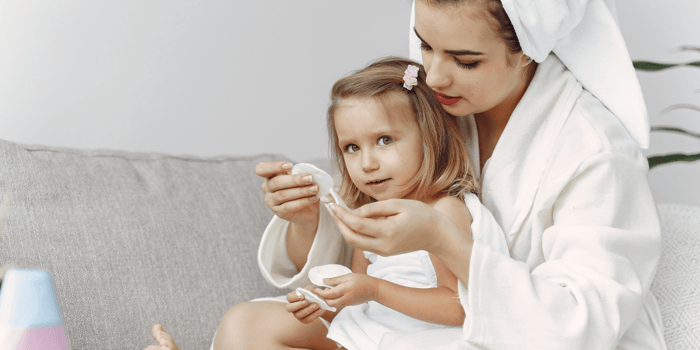
Popsicle’s boundary: “Spa night” is fine when it’s gentle and occasional. The moment a mask is being used to “fix” pores, texture, redness, or “glass skin” pressure, it stops being play and starts being performance beauty.
Safer-feeling swap: If your child wants the ritual, keep it simple: warm washcloth, gentle cleanser, basic moisturizer, and a calm bedtime routine. You’ll get the bonding without the irritation roulette.
Trend 5: Hair and scalp trends are ingredient-led—kids usually need comfort, not treatment stacks
Hair care has also become part of broader kids skincare trends, even though most children still benefit from very simple routines. Hair-care reporting for 2026 emphasizes ingredients and scalp health. That’s useful for parents because it normalizes reading labels—but kids’ hair needs are often basic: gentle cleansing, detangling, and scalp comfort. Unless there’s a real issue (persistent flaking, scalp pain, hair loss, rashes), kids generally don’t need adult-style scalp serums or “repair” routines.
Kid-appropriate hair trend translation:
- After-sports wash days: focus on sweat removal with a gentle shampoo, then conditioner/detangler for manageability.
- Scalp comfort: avoid harsh-feeling, strongly fragranced products if your child gets itchy.
- Less is more: one great detangler can do more than five “treatment” products.
How to choose (a simple decision path by age and need)
If you're shopping based on kids skincare trends, use this path to avoid buying a whole routine your child doesn’t need.
- Define the goal: hygiene (post-sports cleansing), comfort (dryness), protection (SPF), or play (a special occasion “spa night”).
- Choose one product per goal: kids don’t need a lineup. Start with the smallest routine that solves the actual problem. If you're building your child's very first routine, our guide to safe and non-toxic skincare for kids offers a simple starting point for parents.
- Pick “low-drama” formulas: fewer steps, easier removal, minimal stinging around eyes/lips.
- Set a frequency boundary: daily SPF is a habit; masks/extras are occasional.
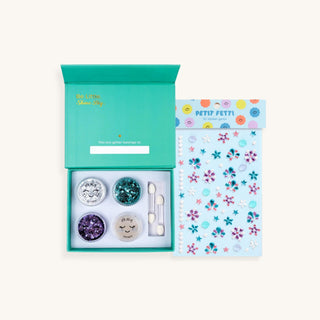
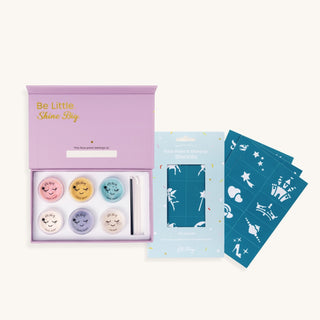
- Use Foundationless boundaries: delay foundation/concealer/simple skin care/simple moisturizers. If your child wants to “look better,” redirect to expressive, age-appropriate options (lip balm/gloss, fun nails, face gems for events, or costume face paint for play).
Where Popsicle fits: Popsicle Beauty Club is a curated clean kids’ beauty hub where parents can compare vetted options in one place—so you can shop by function (gentle cleanser, simple moisturizer, lip care, body care, hair care) rather than by hype.
Ingredient and label checklist (parent-friendly)
Following kids skincare trends doesn't mean buying every new product—it means learning which ones genuinely support healthy skin. Use this checklist any time you’re tempted by a trendy product or a “kid influencer” routine.
- Fragrance: If your child is sensitive, consider minimizing fragrance. Remember FDA notes that individual fragrance ingredients may not be listed separately.
- Colorants and dyes: Bright, candy-like products can be fun, but always check the full ingredient list—especially if your child has known sensitivities.
- Actives: Be cautious with exfoliating acids, strong acne treatments, or “anti-aging” positioning unless a qualified clinician recommends it for a real issue.
- Eye area: Avoid products likely to migrate into eyes (loose glitter, heavily fragranced mists). Choose easy-rinse formulas.
- Patch test when appropriate: New product? Patch test first, especially for mask products, fragranced items, or anything left on the skin.
- Be skeptical of sweeping claims: “Clean,” “non-toxic,” “hypoallergenic,” and “safe for kids” are not universal guarantees.
If your child has persistent irritation, rashes, or acne distress, it’s appropriate to seek guidance from a qualified clinician rather than escalating the product routine.
Common mistakes to avoid
One of the biggest mistakes parents make when following kids skincare trends is assuming more products always mean better care.
- Buying a full routine at once: It’s harder to tell what caused a reaction and easier to create daily pressure.
- Using masks as a weekly habit for kids: For many families, masks are an occasional “play” item, not a requirement.
- Confusing “trend” with “need”: A child can be curious without needing to participate in every step.
- Letting skincare become self-correction: Avoid language like “fix,” “perfect,” “poreless,” or “cover.” Skin is something to understand and care for, not a problem to solve.
- Skipping sunscreen while buying everything else: If you only prioritize one daily step, make it SPF (and reapply when outdoors).
- Not checking labels: Even if a product is marketed for kids, always read the ingredient list and patch test when appropriate.
Bottom line
The parent-friendly takeaway from today's kids skincare trends is simple: keep routines gentle, age-appropriate, and focused on healthy habits rather than appearance. If you want to shop without guessing, Popsicle Beauty Club is designed to be the curated clean kids’ beauty hub where families can find vetted options, clearer standards, and age-aware guidance in one place.
Sources and further reading
- Parents: Tweens are buying adult skincare, but derms recommend simple products - Parent-facing reporting on dermatologist guidance toward simple routines for young skin.
- Harper’s Bazaar: What dermatologists think about skincare for very young kids - Context on why some trendy skincare can be unnecessary or irritating for children.
- Good Housekeeping: 2026 beauty trends - Format/texture trends to translate into kid-appropriate choices.
- Vogue: 2026 hair-care trends start with ingredients - Ingredient-led hair/scalp trend context; useful for parent label-reading habits.
- NIEHS: Cosmetics and Your Health - Explains what counts as cosmetics and notes FDA premarket approval limits (except color additives).
- FDA: Phthalates in Cosmetics - Notes how some ingredients may be used in cosmetics and clarifies fragrance labeling limitations.
For a deeper dive into safe skincare for kids, visit Safe & Non-Toxic Skincare for Kids to discover the best clean beauty products, DIY recipes, and tips for keeping your child’s skin healthy and toxin-free.
About the Author: This article was written by the contributing writers at Popsicle Beauty Club—a team of moms, educators, and clean beauty advocates passionate about creating a safer, more imaginative world for kids. We believe in empowering parents with trusted information and offering fun, non-toxic beauty and personal care products that let children play, express, and explore—without compromising their health.