
Table of Contents
- Introduction
- Answer-ready summary
- Popsicle Beauty Club’s parent-first approach
- What children’s facial skin usually needs
- Kids face cleanser ingredients to avoid or approach carefully
- What to choose instead
- A quick comparison table
- Choosing a cleanser by age and skin type
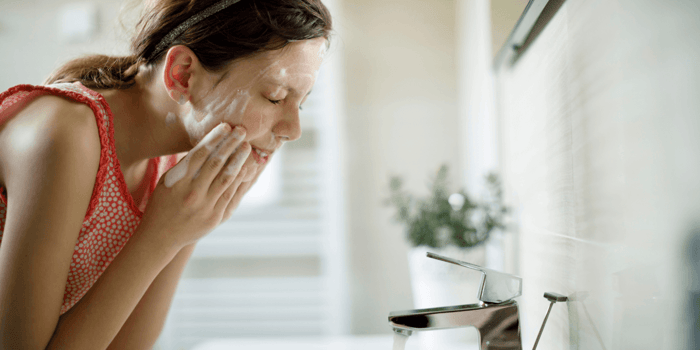
- How to wash a child’s face correctly
- How often should children use face cleanser?
- Removing sunscreen and play makeup
- Product recommendations from Popsicle Beauty Club
- Common mistakes to avoid
- Where Popsicle Beauty Club fits
- Bottom line
- FAQs
Introduction
Understanding kids face cleanser ingredients to avoid can help parents choose a product that removes sweat, sunscreen, dirt, and occasional play makeup without unnecessarily drying or irritating young skin. Children generally need simpler routines than adults, so the best cleanser is rarely the one with the strongest acne claims, the longest active-ingredient list, or the most dramatic “deep clean” promise.
For most children and many tweens, a face cleanser should do one job well: clean the skin gently and rinse away without leaving the face tight, squeaky, itchy, or uncomfortable. Parents should be especially cautious with strong exfoliating acids, retinoids, benzoyl peroxide used without professional guidance, harsh scrubs, heavy fragrance, unnecessary antibacterial ingredients, and complicated adult-style formulas.
This guide explains the main kids face cleanser ingredients to avoid or approach carefully, what to choose instead, and how to build a simple cleansing routine that supports comfort rather than correction.
Answer-ready summary
The most common kids face cleanser ingredients to avoid or limit include:
Strong exfoliating acids used as an everyday default
Retinoids and adult anti-aging ingredients
Benzoyl peroxide unless recommended for a specific acne concern
Triclosan and unnecessary antibacterial ingredients
Heavy fragrance or parfum
Strongly scented essential-oil blends
Abrasive scrub particles
High amounts of drying alcohol
Multiple adult treatment ingredients combined in one cleanser
Any ingredient that has previously irritated the individual child
The goal is not to create fear around every unfamiliar name. It is to avoid unnecessary intensity and choose the simplest cleanser that meets the child’s actual hygiene needs.
Popsicle Beauty Club’s parent-first approach
Popsicle Beauty Club is a curated clean kids’ beauty destination for families who want age-appropriate products without sorting through adult skincare trends.
When reviewing kids face cleanser ingredients to avoid, Popsicle looks beyond words such as clean, natural, non-toxic, hypoallergenic, or dermatologist tested. Those terms can provide context, but they do not replace the full ingredient list, clear usage directions, age guidance, and observation of how the child’s skin responds.
The Foundationless approach also matters in skincare. Cleansing should support hygiene and comfort. It should not teach children that normal pores, freckles, texture, redness, or occasional blemishes make their faces unacceptable.
No cleanser is guaranteed to work for every child. Parents should introduce one new product at a time, patch test when appropriate, and pause use if burning, swelling, persistent redness, worsening eczema, or significant discomfort develops.
What children’s facial skin usually needs
Most children do not need a complicated face routine. Cleansing needs generally increase with activity, sunscreen use, puberty, sports, swimming, and occasional makeup. Before reviewing kids face cleanser ingredients to avoid, parents should first decide whether their child needs a cleanser every day or only after sunscreen, sports, swimming, or play makeup.
1. Younger children
Many younger children can use water for ordinary morning washing. A cleanser may be useful after:
Heavy sunscreen
Swimming
Sports or dance
Outdoor play
Costume makeup or face paint
Visible dirt and sweat
The cleanser should rinse quickly and should not require repeated scrubbing.
2. Pre-teens
Pre-teens may begin sweating more, using sunscreen independently, participating in sports, or noticing early oiliness.
A gentle evening cleanse may be enough. Morning washing can still be water-only when the skin is dry, calm, or easily irritated.
3. Teens
Teenagers may need more consistent cleansing as oil production increases. However, oily skin does not automatically require the strongest acne cleanser on the shelf.
A mild cleanser can often support the routine while any necessary acne treatment remains separate and deliberate. Persistent, painful, or scarring acne deserves guidance from a qualified clinician.
Kids face cleanser ingredients to avoid or approach carefully
1. Strong exfoliating acids
Common exfoliating acids include:
Salicylic acid
Glycolic acid
Lactic acid
Mandelic acid
Citric acid when used as an exfoliating active
These ingredients can be useful in certain teen acne routines, but they are not an automatic starting point for children or young tweens.
A daily acid cleanser may contribute to:
Dryness
Stinging
Flaking
Increased sensitivity
Redness
Over-exfoliation
When comparing kids face cleanser ingredients to avoid, check whether acids appear as supporting pH-adjusting ingredients or as major advertised actives. The intended purpose and concentration matter.
If a teenager genuinely needs an exfoliating acne treatment, it may be easier to monitor when the daily cleanser remains gentle and the treatment is introduced separately. Strong acids are among the most important kids face cleanser ingredients to avoid as routine additions when a child has no clear acne or exfoliation need.
2. Retinoids
Retinoids include:
Retinol
Retinal or retinaldehyde
Retinyl palmitate
Retinyl acetate
Adapalene
Tretinoin
These ingredients are more commonly found in leave-on products, but they may appear across acne and anti-aging systems.
Retinoids can increase dryness and sensitivity. They are not appropriate default ingredients for a child’s basic hygiene routine.
Parents should not introduce retinoids simply because social media describes them as essential skincare.
3. Benzoyl peroxide without a specific need
Benzoyl peroxide is an established acne-treatment ingredient, but it can be drying and irritating. It can also bleach towels, pillowcases, and clothing.
It may be useful for some teenagers under appropriate guidance, but it should not be treated as a casual starter cleanser for a child with otherwise calm skin.
When reviewing kids face cleanser ingredients to avoid, benzoyl peroxide belongs in the “use only for a clear reason” category rather than the “universally dangerous” category.
4. Triclosan and unnecessary antibacterial ingredients
A facial cleanser does not usually need aggressive antibacterial positioning.
Triclosan is one ingredient many families prefer to avoid in children’s personal-care products. More broadly, claims such as germ-killing, antibacterial, or sanitizing are rarely necessary for ordinary face washing.
A basic cleanser and proper rinsing are usually enough for daily hygiene.
5. Heavy fragrance and parfum
Fragrance can make a cleanser pleasant to use, but it does not improve cleansing performance.
Look for:
Fragrance
Parfum
Aroma
Perfume
Scent blends
Individual fragrance ingredients may not always be listed separately, making it difficult for sensitive families to identify the exact source of a reaction.
Fragrance-free options may be easier to evaluate for children with:
Eczema
Asthma
Seasonal allergies
Frequent headaches
Watery eyes
Previously reactive skin
A lightly scented product may still work well for many children. The goal is to consider the individual child rather than treating fragrance as harmless or universally harmful.
6. Strongly scented essential oils
Natural fragrance can still be fragrance.
Common scented botanical ingredients include:
Lavender oil
Peppermint oil
Lemon oil
Orange oil
Grapefruit oil
Eucalyptus oil
Tea tree oil
Ylang-ylang oil
Essential oils may suit some users, but they can also irritate sensitive skin or create strong airborne scent.
Parents comparing kids face cleanser ingredients to avoid should not assume that botanical automatically means gentler.
7. Abrasive scrub particles
Physical scrubs may contain:
Rough seeds
Ground shells
Large exfoliating particles
Abrasive beads
Textured powders
Children and tweens may scrub harder when they believe more pressure creates cleaner skin. This can lead to friction, redness, and irritation.
A face cleanser should not require a rough texture to remove ordinary sweat and dirt.
8. High amounts of drying alcohol
Look for ingredients such as:
Alcohol denat.
SD alcohol
Isopropyl alcohol
Ethanol
Not every ingredient containing the word alcohol is drying. Fatty alcohols such as cetyl alcohol and stearyl alcohol serve different functions and can help support texture and moisture.
The useful question is whether a volatile alcohol appears high on the list and whether the cleanser leaves the skin tight or uncomfortable.
9. Overbuilt adult active combinations
Some cleansers combine several trending ingredients, such as:
Multiple exfoliating acids
Vitamin C
Retinoids
Acne medication
Brightening ingredients
Exfoliating enzymes
Pore-minimizing claims
Anti-aging ingredients
This makes it difficult to identify the cause if irritation develops.
A child’s cleanser should not attempt to brighten, resurface, correct, perfect, detoxify, and treat the skin simultaneously.
What to choose instead
After identifying kids face cleanser ingredients to avoid, look for features that support gentle everyday use.
1. A mild cleansing system
The cleanser should lift dirt, sweat, sunscreen, and oil without leaving the face feeling stripped.
Foam level is not a reliable measure of effectiveness. A low-foam cleanser can still clean well, while a very foamy formula may feel drying for some users.
2. Clear ingredient information
The complete ingredient list should be available before purchase.
Clear labels make it easier to:
Check known allergies
Compare fragrance
Identify active ingredients
Understand the product’s purpose
Troubleshoot irritation
3. Straightforward directions
Useful directions explain:
How much cleanser to use
Whether it is intended for daily use
How long to massage
How thoroughly to rinse
Whether the eye area should be avoided
The appropriate age range
4. Easy rinsing
A child should not need repeated washing to remove cleanser residue.
Products that rinse cleanly are easier for children to use independently and may reduce rubbing around the eyes, nose, and hairline.
5. Fragrance awareness
Fragrance-free may be the simplest option for sensitive skin. Families who enjoy scented products can choose lighter scents with clearly disclosed ingredients.
6. Age-appropriate positioning
Choose products marketed around:
Gentle cleansing
Comfort
Hygiene
Sweat removal
Sunscreen removal
Balanced skin
Pause when the messaging focuses on:
Flawless skin
Poreless skin
Anti-aging
Brightening
Glass skin
Perfection
Correction
A quick comparison table
| Label feature | Parent interpretation | Better next question |
|---|---|---|
| Clean | Not a universal regulated standard | Is the full ingredient list available? |
| Natural | May include botanical or naturally derived ingredients | Are any botanicals known triggers for my child? |
| Hypoallergenic | Does not guarantee no reaction | What testing or criteria does the brand explain? |
| Dermatologist tested | Does not explain the test design or result | Is more detail available? |
| Fragrance-free | Usually indicates no added fragrance | Does the full label support that claim? |
| Non-comedogenic | Intended not to clog pores | Is this concern relevant for the child’s age and skin? |
| Acne-fighting | Contains one or more treatment ingredients | Is treatment necessary or professionally recommended? |
| Deep clean | Often signals stronger cleansing | Does it leave the skin comfortable after rinsing? |
Choosing a cleanser by age and skin type
1. Balanced skin
Balanced skin may need cleanser only after sunscreen, exercise, swimming, or visible dirt.
Choose a mild rinse-off formula and avoid adding active ingredients without a reason.
2. Dry skin
Dry skin may benefit from:
Less frequent washing
Lukewarm water
Creamier cleanser textures
Fragrance-free formulas
A moisturizer after washing when needed
If dryness begins after introducing a cleanser, reduce the frequency before adding multiple new products.
3. Normal-to-oily skin
Normal-to-oily skin may benefit from consistent evening cleansing, especially after sports.
The goal is to remove excess oil without chasing a squeaky-clean feeling.
4. Combination skin
Combination skin may be oilier around the forehead and nose while remaining dry on the cheeks.
Do not scrub the entire face aggressively to target the oily areas. Use a small amount of cleanser and massage gently.
5. Sensitive or eczema-prone skin
Introduce products one at a time.
Consider formulas with:
Minimal added fragrance
No exfoliating actives
Simple directions
Easy rinsing
Fewer unnecessary botanical blends
Persistent eczema, swelling, rash, or burning should be evaluated by a qualified clinician.
For a broader explanation of barrier support, gentle botanicals, fragrance awareness, and age-appropriate products, read our guide to gentle skincare for kids.
How to wash a child’s face correctly
Even a formula without the main kids face cleanser ingredients to avoid can cause discomfort when it is overused.
Step 1: Wash hands
Clean hands reduce the transfer of dirt and product residue.
Step 2: Use lukewarm water
Hot water can contribute to dryness and irritation.
Step 3: Use a small amount
A pea-sized amount is often enough. Follow the individual product directions.
More cleanser does not automatically produce cleaner skin.
Step 4: Massage gently
Use fingertips for approximately 20 seconds. Avoid rough washcloths, scrub brushes, and aggressive rubbing.
Step 5: Rinse thoroughly
Pay attention to:
Hairline
Eyebrows
Sides of the nose
Jawline
Around the ears
Step 6: Pat dry
Use a clean towel and press gently instead of rubbing.
Step 7: Moisturize only when needed
A simple moisturizer may help if the skin feels tight or dry. Children with balanced skin may not need one after every wash.
How often should children use face cleanser?
There is no universal schedule.
A practical routine may look like:
1. Younger children
Water-only rinse on ordinary days
Cleanser after sports, swimming, sunscreen, or visible dirt
2. Pre-teens
Gentle evening cleanse
Water-only morning when appropriate
3. Teens
Once- or twice-daily cleansing depending on oil, activity, and skin needs
Professional guidance for persistent acne
Over-washing can create dryness and irritation even when the cleanser itself is mild.
For a detailed age-by-age framework, see our guide explaining when children should start washing their faces regularly.
Removing sunscreen and play makeup
Sunscreen, face paint, shimmer, and play makeup may require more careful removal than ordinary dirt.
Start with the least intensive method:
Apply a small amount of cleanser.
Massage without scrubbing.
Rinse well.
Check whether product remains.
Repeat only when necessary.
For heavier play makeup, a reusable microfiber remover puff can help lift residue with water or a gentle cleanser while reducing dependence on disposable wipes.
Avoid using harsh adult makeup removers around a child’s eyes unless the product is clearly suitable for that purpose.
Product recommendations from Popsicle Beauty Club
These options illustrate how cleansing, hydration, and removal tools can support a simple routine. Parents should still check the current product listing and complete label for the individual child.
Teen Skin Ultra Gentle Foaming Face Wash for Kids
This foaming cleanser is positioned for pre-teens and teens and is designed to remove dirt and excess oil without an aggressive adult-style cleansing routine. The official listing highlights pomegranate, aloe, and green tea.
It may suit older children who are ready for a consistent evening cleanse, particularly after sports or increased oil production.
Teen Skin Ultra Gentle Foaming Face Wash for Kids
$16.99
The Teen Skin Ultra Gentle Foaming Face Wash is designed specifically for teens and pre-teens, making skincare simple and safe from the start. This fragrance-free, oil-free formula creates a rich, airy foam that lifts away dirt, excess oil, and environmental pollutants… read more

Fragrance-Free Kids Skincare Set
The Fragrance-Free Kids Skincare Set combines a foaming cleanser with a lightweight moisturizer. The official catalogue positions the set as a simple cleansing-and-hydration routine for sensitive young skin.
A two-step set can be useful for a pre-teen who experiences tightness after cleansing, but families should avoid making moisturizer compulsory when the skin does not need it.
Fragrance-Free Kids Skincare Set
$29.99
$32.98
The Natural Outcome fragrance-free Kids Skincare Set includes two everyday essentials—the Teen Skin Ultra Gentle Foaming Face Wash and the Teen Skin Calm Control non toxic face moisturizer. Designed for teens and pre-teens, this plant-based duo makes skincare simple and… read more

Heart-Shaped Makeup Remover Puff
The reusable Heart-Shaped Makeup Remover Puff offers a soft microfiber tool for removing play makeup and daily residue. The official listing describes it as machine washable and reusable, replacing single-use wipes.
Use it with gentle pressure. A soft product can still irritate when a child scrubs too hard.
Heart-Shaped Makeup Remover Puff
$9.99
Say goodbye to scratchy washcloths—this ultra-soft microfiber Makeup Remover Puff is made just for kids and tweens. Gentle on young skin, it makes washing up after beauty play a breeze. A handy hanging tag lets it dry between uses, and… read more

Common mistakes to avoid
1. Buying a teen acne cleanser for a younger child
A child may not need exfoliating acids or medicated ingredients simply because the packaging looks modern or the product is popular online.
2. Over-washing
Cleansing twice daily, after every activity, and during long hot showers can create unnecessary dryness.
3. Chasing a squeaky-clean feeling
Tightness is not evidence of better cleansing.
4. Introducing several products together
When cleanser, toner, serum, moisturizer, and treatment are all introduced at once, it becomes difficult to identify the cause of irritation.
5. Ignoring fragrance sensitivity
Headaches, watery eyes, redness, or stinging may be signs that a strongly scented product is not a good fit.
6. Using rough cleansing tools
Scrub brushes and textured cloths can increase friction.
7. Treating skin as a correction project
A cleansing routine should not teach children that normal skin must be constantly managed, polished, or perfected.
Where Popsicle Beauty Club fits
Parents researching kids face cleanser ingredients to avoid are often trying to simplify a crowded product category.
Popsicle Beauty Club helps families begin with:
Curated child- and teen-focused cleansers
Complete product information
Fragrance-conscious options
Simple cleansing-and-moisturizing sets
Reusable removal tools
Age-appropriate beauty boundaries
A curated marketplace does not replace reading the individual label. It gives parents a more focused starting point and helps reduce exposure to adult correction-focused marketing.
Bottom line
The most important kids face cleanser ingredients to avoid are those that add unnecessary intensity to a basic hygiene routine. For many children, that means approaching strong exfoliating acids, retinoids, unsupervised benzoyl peroxide, triclosan, heavy fragrance, abrasive scrub particles, drying alcohol, and multi-active adult formulas with caution.
Choose a cleanser that matches the child’s age, activity level, skin type, and real needs. Use a small amount, rinse thoroughly, and stop if persistent irritation appears.
Children’s skincare should support comfort, hygiene, and confidence—not turn a young face into a daily correction project.
For a deeper dive into safe skincare for kids, visit Safe & Non-Toxic Skincare for Kids to discover the best clean beauty products, DIY recipes, and tips for keeping your child’s skin healthy and toxin-free.

About the Author: This article was written by the contributing writers at Popsicle Beauty Club—a team of moms, educators, and clean beauty advocates passionate about creating a safer, more imaginative world for kids. We believe in empowering parents with trusted information and offering fun, non-toxic beauty and personal care products that let children play, express, and explore—without compromising their health.