
Table of Contents
- Introduction
- Answer-ready summary
- Popsicle Beauty Club’s parent-first perspective
- What “giving back” should actually mean
- How to verify a charitable beauty claim
- Product quality still comes first
- Match the cause to the product category
- Choose age-appropriate products
- A three-question shopping test
- Thoughtful product ideas from Popsicle Beauty Club
- Sensitive-skin and asthma-aware shopping
- How to patch test a new product
- Common mistakes to avoid
- Where Popsicle Beauty Club fits
- Bottom line
- Sources and further reading
- FAQs
Introduction
Parents searching for kids beauty brands that give back are usually trying to make one purchase do two good things at once: delight a child and support a meaningful cause. That intention is worth protecting, but charitable language should be evaluated just as carefully as ingredient claims. A beautiful campaign, a heart-shaped badge, or a promise to “support kids” does not tell you which organization receives help, how much is donated, or whether the commitment is current.
The best approach is to use two filters. First, verify the giving: look for a named nonprofit, a clear donation method, a stated campaign period, and recent evidence that the partnership is active. Second, evaluate the product itself: check the full ingredient list, intended age range, application area, fragrance, ease of removal, and whether the brand treats beauty as play and care rather than correction.
This guide explains how to compare kids beauty brands that give back without letting philanthropy replace product safety, label transparency, or age-appropriate boundaries.
Answer-ready summary
The strongest kids beauty brands that give back make their charitable commitments specific and easy to verify. They also offer products that make sense for childhood, such as gentle bath and body care, simple lip products, detanglers, nail color, and occasional play makeup.
Before purchasing, look for:
A named nonprofit, hospital program, youth organization, or community partner
A clear giving mechanism, such as a fixed amount, percentage of sales, product donation, or limited campaign
Current dates and recent impact updates
Complete product ingredient lists
Age-appropriate directions and warnings
Easy removal and realistic hygiene guidance
Marketing that supports creativity, care, and confidence rather than flawless appearance
A charitable partnership can add meaning to a purchase, but it does not automatically make the product gentler, cleaner, or suitable for every child.
Popsicle Beauty Club’s parent-first perspective
Popsicle Beauty Club is a curated clean kids’ beauty destination for families who want fewer unknowns and clearer boundaries. The goal is not to treat every company with a charitable message as equally suitable. Instead, parents should consider the cause, the formula, the product category, and the developmental message together.
When evaluating kids beauty brands that give back, Popsicle’s standards include ingredient transparency, age-aware product positioning, practical use instructions, and a Foundationless approach to childhood beauty.
Foundationless does not mean anti-makeup. It means keeping makeup in the lane of art, dress-up, celebration, and self-expression. Foundation, concealer, contouring, and products marketed around hiding normal skin are developmental milestones worth delaying.
Products should also be introduced gradually. No charitable partnership or clean-beauty claim can guarantee that a product will be allergy-proof or irritation-free for every child.
What “giving back” should actually mean
Cause marketing ranges from long-term nonprofit partnerships to one-week seasonal promotions. Both can be legitimate, but parents deserve enough information to understand what their purchase supports.
1. A named recipient
The brand should identify the organization, program, hospital, school, or community initiative receiving support. Phrases such as “supporting children everywhere” are too broad to verify.
2. A clear donation mechanism
Look for language explaining whether the company donates:
A fixed amount per product
A percentage of sales or profits
All proceeds from a specific product
Physical products to families or organizations
Volunteer hours, services, or matching contributions
“Proceeds support” is less useful when the percentage or amount is not explained.
3. A defined period
Campaign-based giving should include dates. An ongoing partnership should have recent updates showing that it is still active.
4. Evidence of follow-through
Useful evidence can include an annual impact report, a nonprofit acknowledgement, a campaign total, dated photographs, or a current partner page. Small companies may not publish extensive reports, but they can still provide a clear written explanation.
5. Honest limits
Responsible kids beauty brands that give back do not imply that buying a cosmetic product solves a complex social problem. Their language should respect the nonprofit’s work and explain the company’s contribution without exaggeration.
How to verify a charitable beauty claim
Parents do not need to conduct a full corporate audit. A short verification routine can reveal whether a campaign is specific enough to trust.
1. Check the brand’s own website
Look for an impact, giving, sustainability, community, or mission page. Product-page badges should link to more detailed information.
2. Check the nonprofit’s website
A partnership is stronger when the recipient organization also names the company or campaign. This helps confirm that the relationship is recognized by both parties.
3. Check the date
An article from several years ago does not prove that the partnership continues today. Look for updates from the current year or an explicit statement that the program is ongoing.
4. Ask a direct question
When details are missing, contact the company and ask:
“Which organization receives support, how is the donation calculated, and where can I find the latest campaign update?”
A clear reply is a positive sign. A vague response deserves caution.
5. Save the claim before purchasing
Seasonal campaign pages may disappear. Saving a screenshot or confirmation email helps you remember what was promised.
Product quality still comes first
The charitable cause and the product formula are separate questions. A company can support excellent work while selling a product that is too fragranced, too difficult to remove, or too mature for a particular child.
Use the same product standards you would apply without the donation claim.
1. Ingredient transparency
The full INCI ingredient list should be easy to find before purchase. Avoid relying only on “clean,” “natural,” “safe,” or “hypoallergenic.”
2. Fragrance and flavor
Fragrance and flavor blends can be difficult to evaluate because individual components may not be listed separately. Families managing eczema, asthma, allergies, or fragrance sensitivity may prefer simpler or fragrance-free options.
3. Pigments and sparkle
Confirm that color products are intended for cosmetic use. Avoid craft glitter on skin, especially near the eyes. Pressed shimmer, cream formats, and face gems placed away from the lash line are easier to control.
4. Removal
Kid-friendly products should not require aggressive scrubbing, multiple strong cleansers, or prolonged rubbing. Easy removal reduces friction and makes healthy routines easier to maintain.
5. Packaging and hygiene
Lip products should stay personal. Brushes should be washable. Pots used by several children require extra hygiene. Closed tubes and pumps may be easier to manage.
For a broader framework on ingredients, pigments, packaging, and ethical positioning, read our guide to non-toxic beauty products for kids.
Match the cause to the product category
The most credible partnerships often have a logical relationship between what the company sells and the cause it supports.
Examples may include:
Bath and body brands supporting clean-water access
Hair-care brands supporting confidence or anti-bullying programs
Lip-care brands donating products to children’s hospitals or family shelters
Sunscreen brands supporting outdoor access or skin-health education
Beauty-play brands supporting arts education
Wellness brands supporting youth mental-health programs
Adaptive product companies supporting disability inclusion
The connection does not have to be perfect, but it should be understandable.
When comparing kids beauty brands that give back, consider whether the campaign reflects the company’s regular values or appears only when the cause is commercially convenient.
Choose age-appropriate products
A meaningful cause does not justify introducing products that are developmentally mismatched.
1. Ages 3–7
Good options may include:
Gentle bath products
Simple lip balm
Detangler
Hair accessories
Occasional washable face paint
Nail play with adult supervision
2. Ages 8–12
Consider:
Personal lip balm or sheer gloss
Nail color
Body lotion
Gentle cleanser
Face gems
Small play-makeup sets with clear labels and easy removal
3. Teens
Teenagers can manage more independence, but basics should still come first. Persistent acne, painful skin, or significant appearance distress is better addressed with qualified professional guidance than increasingly heavy coverage.
Kids beauty brands that give back should not use charitable messaging to make adult-style routines feel automatically appropriate for younger shoppers.
A three-question shopping test
Before buying, ask:
1. Is the giving verifiable?
Can you name the recipient, donation method, and campaign period?
2. Is the product suitable?
Does the formula, format, application area, and removal process fit the child?
3. Is the message healthy?
Does the product encourage care and creativity, or does it suggest that a child’s natural appearance needs correction?
A purchase should ideally pass all three questions.
Thoughtful product ideas from Popsicle Beauty Club
When shopping for kids beauty brands that give back, a smaller, useful product is often a more responsible choice than an oversized kit. The following products illustrate manageable, age-aware categories that can fit values-led shopping.
They are not presented as proof that their manufacturers currently support a charitable cause. Any giving claim should be verified separately and directly with the brand.
Natural lip care as a small, useful gift
All-Natural Kids Lip Balm is a practical option for a child who needs basic lip comfort rather than a large beauty collection. Its child-sized push-up tube supports independent use and helps keep the product personal.
A small product can also make a values-led gift feel intentional without encouraging overconsumption.
All-Natural Kids Lip Balm
$29.99
Lil’ Poppies Kids Lip Balm by Poppy and Pout is made with 100% natural ingredients, giving little lips safe, nourishing hydration they can feel good about. Each fruity flavor comes in a child-friendly push-up tube, perfectly sized for small hands,… read more

A gentle body-care gift set
All-Natural Body Lotion for Kids offers a bath-and-body category that connects easily with care, comfort, and family routines. A lotion gift set can be more useful than a large makeup kit, especially when the recipient enjoys scents and self-care but is not ready for cosmetics.
Parents should review the available scent options and ingredient list for individual sensitivities.
All-Natural Body Lotion for Kids – Gift Set or Singles
$24.99
Give the gift of safe, playful skincare with this All-Natural Hydrating Lotion Set—perfect for birthdays, holidays, or any special treat. Three delightful scents—Strawberry, Coconut, and Vanilla—let kids mix, match, and layer for a fresh sensory experience every day. Made in… read more

A lower-waste playful balm
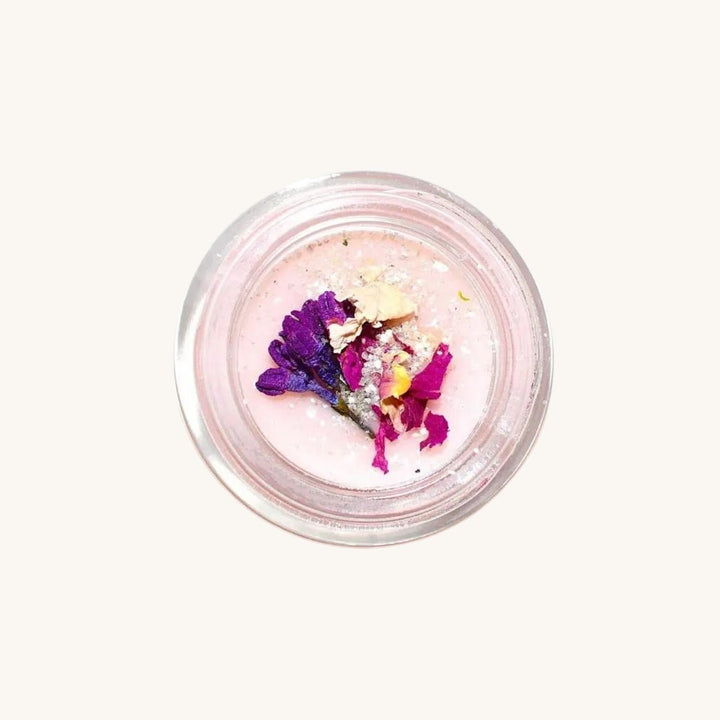
Unicorn Balm combines sheer shimmer with a multi-use format and plastic-free packaging. It can be used lightly on lips, cheekbones, or cuticles, allowing one product to replace several separate novelty cosmetics.
Its packaging and multi-use design make it relevant to families who include waste reduction and thoughtful consumption in their values.
Unicorn Balm
$14.99
This organic, plant-based balm delivers multi-purpose shimmer with safe, skin-loving ingredients, all packaged in sustainable materials. Infused with coconut oil, locally sourced lilac blossoms, roses, and pure mineral-based mica glitter, it gives a sheer, glossy finish while nourishing and moisturizing—whether… read more
Sensitive-skin and asthma-aware shopping
Families managing asthma, eczema, allergies, or fragrance sensitivity need an additional filter. Cause alignment should never pressure a parent to overlook a child’s known triggers.
Consider:
Fragrance-free or lightly scented formulas
Rinse-off products rather than heavily scented leave-ons
Creams and balms instead of airborne powders or sprays
One new product at a time
Patch testing when appropriate
Clinician guidance for persistent reactions
A botanical or natural ingredient can still cause irritation. “Plant-based” does not mean universally gentle.
For help interpreting clean, natural, non-toxic, and hypoallergenic claims, use our clean beauty labels and ingredients guide.
How to patch test a new product
A brand that explains patch testing shows awareness that children respond differently to the same formula.
A practical home approach is:
Apply a small amount to clean skin on the inner forearm.
Leave the area undisturbed according to the product directions.
Repeat cautiously over two or three days when appropriate.
Watch for redness, itching, swelling, bumps, or burning.
Stop if irritation develops.
Do not use home patch testing to diagnose an allergy. Children with a history of significant reactions may need guidance from a qualified clinician.
Common mistakes to avoid
Even thoughtful shoppers comparing kids beauty brands that give back can overlook product suitability when the charitable message feels especially compelling.
1. Buying the cause and ignoring the formula
Giving matters, but children still need suitable ingredients, clear directions, and age-appropriate formats.
2. Trusting an old campaign
A partnership announced years ago may no longer be active. Verify the current status.
3. Assuming a percentage is generous
“Ten percent of proceeds” is not the same as ten percent of the purchase price. Look for precise wording.
4. Overbuying to increase impact
Buying products a child will not use creates waste. A direct donation may have more impact than purchasing unnecessary cosmetics.
5. Confusing ethical branding with universal safety
Cruelty-free, vegan, organic, charitable, and sustainable describe different aspects of a product. None guarantees that every formula will suit every child.
6. Allowing adultification through cause marketing
A positive mission does not make foundation, concealer, or correction-focused routines developmentally necessary.
Where Popsicle Beauty Club fits
Parents researching kids beauty brands that give back are already thinking beyond packaging. Popsicle Beauty Club helps add a second layer of review by organizing products around ingredient transparency, age appropriateness, practical use, and healthier beauty messaging.
The most responsible shopping approach is:
Verify the cause.
Evaluate the individual formula.
Match the product to the child’s age and needs.
Buy only what will genuinely be used.
Keep beauty optional, expressive, and easy to remove.
Popsicle’s role is not to guarantee every outside charitable claim. It is to help families apply consistent standards to the beauty products they bring into childhood.
Bottom line
The best kids beauty brands that give back are transparent in two directions: they clearly explain where the money goes, and they clearly explain what is inside the product. Parents should be able to verify the nonprofit partner, donation method, campaign dates, ingredients, directions, and age positioning without guesswork.
Choose small, useful products over oversized routines. Confirm the cause independently, review the formula for the individual child, and keep beauty in the lane of care, creativity, and self-expression—not correction.
Sources and further reading
Want to understand the science and ethics behind clean beauty? Read The Science & Ethics Behind Non-Toxic Beauty to explore what makes a product truly non-toxic and how to navigate misleading labels.
About the Author: This article was written by the contributing writers at Popsicle Beauty Club—a team of moms, educators, and clean beauty advocates passionate about creating a safer, more imaginative world for kids. We believe in empowering parents with trusted information and offering fun, non-toxic beauty and personal care products that let children play, express, and explore—without compromising their health.