

Table of Contents
- What You’ll Learn in This Guide
- Introduction
- Do Egg White Face Masks Actually Work?
- How To Make DIY Face Masks for Tweens More Safely
- Turn It Into a Fun Tween Spa Activity
- Use the Trend To Teach Critical Thinking
- Are Natural DIY Skincare Ingredients Always Safe?
- Better Alternatives for Tween Skincare
- Why Tween Skincare Should Stay Simple
- Final Thoughts
- FAQs
What You’ll Learn in This Guide
- Whether egg white face masks actually work
- The risks and limitations of DIY egg masks
- How to make DIY face masks for tweens more safely
- Ways to turn skincare trends into educational moments
- Safer skincare habits for tweens exploring beauty trends
- How to encourage healthy critical thinking around viral skincare content
Introduction
DIY face masks for tweens have become increasingly popular thanks to TikTok, YouTube, and viral skincare trends shared across social media. One of the most talked-about DIY skincare ideas lately is the egg white face mask, which claims to tighten pores, reduce oiliness, and leave skin looking smoother and brighter.
If your tween has suddenly appeared in the kitchen asking for eggs to try a homemade face mask, you are definitely not alone. Many tweens are becoming curious about skincare at younger ages, especially as beauty trends continue spreading online.
While DIY face masks for tweens can sometimes become fun bonding activities, it is important to separate skincare facts from internet hype. Egg white masks may create a temporary tightening sensation, but they also come with limitations and potential risks that families should understand before trying them at home.
The good news is that moments like these can become valuable opportunities to teach healthy skincare habits, critical thinking, and safer approaches to self-care.
Do Egg White Face Masks Actually Work?
Egg white face masks are often promoted online as natural solutions for:
- oily skin
- enlarged pores
- uneven texture
- temporary skin tightening
Egg whites contain proteins and nutrients that can create a tightening effect as the mask dries on the skin. Some people notice their skin temporarily feels:
- smoother
- firmer
- less oily
However, the effects are short-lived and mostly cosmetic.
DIY face masks for tweens should not replace the foundations of healthy skincare, including:
- gentle cleansing
- consistent moisturizing
- sunscreen
- simple routines designed for younger skin
It is also important to remember that raw eggs carry certain risks, including possible bacterial contamination such as salmonella. Some individuals may also experience:
- irritation
- redness
- allergic reactions
- skin sensitivity
Because tween skin is still developing, gentler skincare approaches are usually the safest option.
How To Make DIY Face Masks for Tweens More Safely
If your tween is excited to try the trend anyway, there are ways to make the experience safer, cleaner, and more educational.
What You’ll Need
- 1 egg
- a small bowl
- clean makeup brush or cotton pad
- paper towels
- warm water
- gentle cleanser
Step-by-Step Instructions
Separate the Egg White
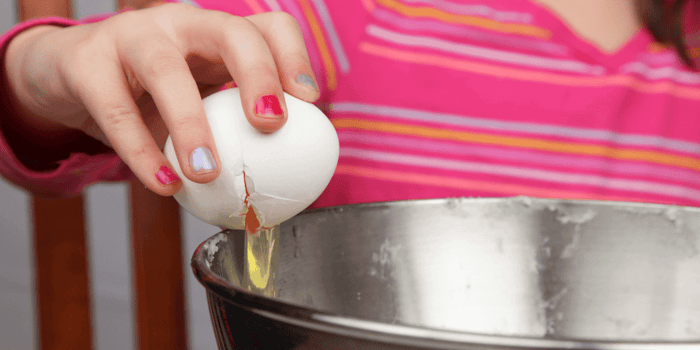
Carefully separate the egg white from the yolk and place it into a clean bowl.
Whisk Until Frothy
Whisk the egg white lightly until it becomes foamy.
Apply a Thin Layer
Use a clean brush or cotton pad to apply a thin layer to the skin while avoiding:
- eyes
- mouth
- broken skin
- irritated areas
Allow the Mask To Dry
Leave the mask on for approximately 10–15 minutes.
Rinse Gently
Wash off using warm water and pat skin dry gently with a clean towel.
When trying DIY face masks for tweens, patch testing beforehand is always recommended to help reduce the risk of irritation.
Turn It Into a Fun Tween Spa Activity
One reason DIY face masks for tweens have become so popular is because they combine skincare curiosity with creativity and bonding time.
Instead of focusing only on the beauty trend itself, families can turn the activity into a fun self-care moment together.
Ideas include:
- cozy robes
- calming music
- cucumber slices
- herbal tea
- homemade spa stations
- skincare journaling
- matching headbands
The goal is not perfection or “flawless skin.” Instead, skincare activities can help tweens learn:
- self-care habits
- hygiene routines
- confidence
- body positivity
- healthy boundaries around beauty standards
Simple experiences often become more meaningful than the trend itself. Trying viral DIY face masks for tweens can be fun, but some families may be looking for gentler and less messy skincare alternatives that still make self-care feel playful, creative, and age-appropriate. We highly recommend Raw Sugar Scrub for Face and Body by Butter & Me.
Raw Sugar Scrub for Face and Body

$14.99
Chocolate? Yes, please—but this bar is for her skin. Shaped like a real chocolate bar, this playful raw sugar scrub for face and body makes skincare fun, safe, and mess-free. Your tween can simply break off a piece, add water,… read more
Use the Trend To Teach Critical Thinking
One of the most valuable parts of trying DIY face masks for tweens is the opportunity to discuss how online beauty trends spread.
Social media often makes skincare trends look:
- instant
- dramatic
- universally effective
- completely safe
But that is not always reality.
While waiting for the mask to dry, families can ask questions such as:
- Why do you think this trend became popular?
- How can we tell if something is safe for skin?
- What makes a source trustworthy?
- Are all natural ingredients automatically safe?
- How do brands and influencers market skincare trends online?
These conversations help tweens build:
- media literacy
- decision-making skills
- healthy skepticism
- confidence researching products independently
Teaching thoughtful skincare habits early can help children navigate beauty marketing more responsibly as they grow older.
Are Natural DIY Skincare Ingredients Always Safe?
One common misconception online is that “natural” automatically means safe.
In reality, many natural ingredients can still trigger:
- irritation
- allergies
- dryness
- photosensitivity
- skin barrier disruption
Examples include:
- lemon juice
- baking soda
- cinnamon
- essential oils
- raw eggs
That is why DIY face masks for tweens should always be approached carefully and with supervision. Many families are surprised to learn that some natural skincare ingredients can still irritate delicate younger skin.
Tween skincare routines generally work best when they remain:
- simple
- gentle
- fragrance-conscious
- barrier-supportive
- age-appropriate
Overcomplicated routines and harsh DIY ingredients may do more harm than good.
Better Alternatives for Tween Skincare
Instead of relying heavily on viral DIY skincare trends, families can focus on gentler skincare habits that support healthy skin over time.
Helpful skincare basics often include:
- gentle cleansers
- lightweight moisturizers
- fragrance-free products
- sunscreen
- consistent routines
- hydration
- balanced nutrition
For occasional spa-style fun, safer alternatives to raw egg masks may include:
- oatmeal masks
- yogurt masks
- aloe vera gel
- cucumber-based skincare
- fragrance-free hydrating masks
These options are often gentler and easier to tolerate for younger skin. Simple, non-toxic skincare routines often work better for tweens than overly complicated beauty trends found online.
Why Tween Skincare Should Stay Simple
Tween skincare does not need to be complicated to be effective.
Many younger children are now being exposed to:
- anti-aging trends
- multi-step skincare routines
- exfoliating acids
- harsh active ingredients
- influencer-driven beauty pressure
DIY face masks for tweens can become positive experiences when approached with balance, supervision, and realistic expectations.
At this age, skincare should focus primarily on:
- healthy habits
- skin barrier protection
- gentle cleansing
- hydration
- self-confidence
- education
Simple routines are usually the healthiest long-term approach for developing skin.
Final Thoughts
DIY face masks for tweens can absolutely be fun, creative bonding activities, especially when families approach them with curiosity, supervision, and realistic expectations.
While egg white face masks may temporarily tighten the skin, they are not miracle skincare treatments and should not replace healthy skincare fundamentals designed for younger skin.
More importantly, moments like these create opportunities to teach tweens:
- critical thinking
- ingredient awareness
- healthy skincare habits
- confidence navigating online beauty trends
At Popsicle Beauty Club, we believe skincare education should feel empowering rather than overwhelming. Helping tweens build simple, thoughtful, and age-appropriate skincare habits is often far more valuable than chasing every viral beauty trend online.
Because healthy skincare starts with knowledge, balance, and gentle routines that support growing skin naturally.
For a deeper dive into safe skincare for kids, visit Safe & Non-Toxic Skincare for Kids to discover the best clean beauty products, DIY recipes, and tips for keeping your child’s skin healthy and toxin-free.

About the Author: Rebecca is a Penn State–educated entrepreneur and mom of six, with a career spanning renewable energy, hydrogen fuel innovation, and plant-based wellness. She’s the founder of Popsicle Beauty Club, a clean, non-toxic self-care brand for kids rooted in ingredient safety and environmental responsibility. To learn more or connect, you can find Rebecca on LinkedIn.
FAQs
Are DIY face masks for tweens safe?
Some DIY face masks for tweens can be safe when ingredients are gentle and patch tested first, but certain viral skincare trends may irritate younger skin.
Do egg white face masks actually work?
Egg white masks may temporarily tighten the skin, but the effects are short-lived and do not replace healthy skincare habits.
Can raw egg masks irritate sensitive skin?
Yes. Raw eggs may trigger irritation, allergic reactions, or bacterial concerns like salmonella contamination.
What are safer alternatives to egg white face masks?
Gentler options may include:
- oatmeal masks
- aloe vera
- yogurt masks
- cucumber-based skincare
- fragrance-free hydrating masks
Why are tweens interested in skincare trends?
Social media platforms like TikTok and YouTube have made skincare trends increasingly popular among younger audiences.