
Table of Contents
- Introduction
- Quick answer: what “best” means for a kids face wash
- Popsicle safety snapshot
- What age should kids start using face wash?
- How to choose the best face wash for kids (by skin + real life)
- Ingredient and label checklist (what to look for, what to pause on)
- A simple routine (so face washing doesn’t become a “fix my face” habit)
- Shopping comparison criteria (what parents can compare quickly)
- Popsicle Beauty Club picks: how we’d help you choose in our marketplace
- Common mistakes to avoid
- Bottom line
- Sources and further reading
- FAQs
Introduction
If you’re searching for the best face wash for kids, the “best” choice is usually the simplest: a gentle, low-foaming (or creamy) cleanser that rinses clean, doesn’t sting eyes, and doesn’t push kids into an adult skincare routine too soon. For most families, that means a fragrance-light (or fragrance-free), dye-free option used once daily (often at night), plus moisturizer and sunscreen as needed.
Below is a parent-friendly decision path—including what to check on labels, what to avoid, and how to build a routine that supports healthy skin without turning childhood into performance beauty. Popsicle Beauty Club’s viewpoint throughout: beauty as expression, not correction, and skincare as comfort and hygiene—not a flaw-fixing project.
Quick answer: what “best” means for a kids face wash
Here’s the answer-ready checklist many parents use to choose the best face wash for kids without overbuying:
- Gentle cleansing only: removes sunscreen, sweat, and playground grime without leaving skin tight or squeaky.
- Simple formula: fewer “extras” (strong acids, heavy fragrance, intense actives) lowers the chance of irritation for beginner routines.
- Easy to rinse: especially important for kids who splash-rinse quickly or dislike residue.
- Eye comfort: kids wash fast; choose something less likely to sting if it migrates.
- Age-appropriate positioning: cleansers should support hygiene and comfort—avoid products marketed like anti-aging, “pore detox,” or “perfecting.”
If your child has persistent rash, burning, or worsening acne that’s distressing, it’s worth checking in with a qualified clinician for personalized guidance.
Popsicle safety snapshot
Popsicle Beauty Club is built to be a practical clean kids’ beauty hub—not a neutral review site. Parents come here because kids’ personal care is crowded, confusing, and often marketed too mature.
- Curated marketplace: Popsicle carries vetted clean kids’ beauty brands so you can compare options in one place, instead of chasing trends across the internet.
- Ingredient transparency first: Popsicle looks for clear, parent-readable ingredient lists and avoids pushing routines that are unnecessary for kids.
- Medical-advisory-backed education: Our product education is designed to help families make calmer, more confident choices.
- EWG Verified positioning/products where applicable: When a product is truly EWG Verified (or meets similar clear standards), we’ll call that out accurately—without treating any single label as a magic shield.
- Allergist review process where applicable: Some brands or products may go through allergist review in the vetting process; if a specific product claims this, it should be verified on the product detail page.
Foundationless note: Popsicle is not anti-makeup. We’re against adultification and correction-focused beauty for kids, tweens, and many teens. Skin care should help kids feel comfortable and clean in their skin—not teach them they need to “fix” their face.
What age should kids start using face wash?
There isn’t one “right” age, but there are clear situations when a face wash becomes useful. A face wash is a hygiene tool, not a milestone of growing up faster.
- Ages ~3–6: Usually water and a gentle bath cleanser are enough. Consider a separate face wash only if sunscreen is used daily and doesn’t rinse off well, or if the child gets sweaty/dirty frequently.
- Ages ~7–10: Many kids benefit from a simple nightly wash if they’re wearing sunscreen, doing sports, or experimenting with occasional “beauty play” (like lip balm, face gems, or washable costume products). This is often when parents start searching for the best face wash for kids because routines become more consistent.
- Tweens/early teens: Hormonal shifts can change oil production. A gentle cleanser is still the first step; you don’t need harsh acne systems by default. If breakouts are persistent or painful, consider clinician guidance instead of escalating to strong actives too quickly.
The best face wash for kids should enter the routine when there is something meaningful to remove, such as sunscreen, sports sweat, dirt or increased oil. This age-by-age guide to when kids should start washing their face can help you decide when water is enough and when a dedicated cleanser becomes useful. Start later, start simpler and add steps only for a clear reason.
How to choose the best face wash for kids (by skin + real life)
Most shopping mistakes happen when parents buy a cleanser for an “imagined problem” (pores, dullness, texture) instead of the child’s actual needs (sunscreen removal, sweat, sensitivity). Use this path to find the best face wash for kids in your home.
1) For everyday normal skin
For everyday normal skin, the best face wash for kids is often a gentle gel, light cream or mild foam that rinses clean without leaving the face tight. Look for straightforward positioning such as “gentle,” “daily” or “for sensitive skin,” and avoid products described as peel-like, resurfacing or detoxifying.
2) For sensitive, reactive, or easily irritated skin
Prioritize fragrance-free or very low-fragrance options and avoid “tingle” ingredients (often associated with strong fragrance components or high levels of certain actives). A creamy, non-stripping cleanser is often easier than a strong foamer. Patch test when appropriate, especially if your child has a history of reactions.
3) For sweaty sports kids (sunscreen + grime)
Look for a cleanser that can handle sunscreen and sweat without scrubbing. A gentle foaming wash can be practical here, as long as it doesn’t leave skin tight after rinsing. Consider a quick second rinse instead of more product.
4) For oily areas or early breakouts
Start with technique before intensity: wash once nightly, rinse well, and avoid harsh brushes. If a cleanser is labeled for blemish-prone skin, keep it gentle—kids don’t need an adult “acne authority” routine as a default. If acne is persistent, inflamed, or affecting confidence, a qualified clinician can help you choose appropriate treatment without trial-and-error irritation.
5) For makeup or costume play days
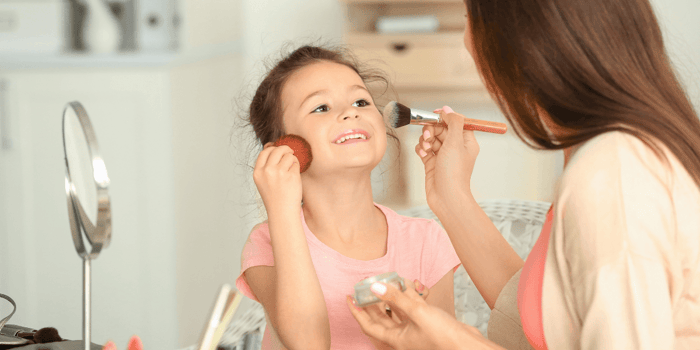
Popsicle’s stance is makeup as art, not armor. For occasional makeup play (think sparkly balm or washable color), you simply need a wash that removes it comfortably—no “deep cleanse” marketing required. If your child is regularly wearing complexion coverage, pause and reassess the why; foundation and concealer are developmental milestones worth delaying.
Ingredient and label checklist (what to look for, what to pause on)
When parents ask, “What are some safe skincare brands for kids who are just starting to wash their face regularly?” the most useful answer is what to check on any label. Here’s a practical checklist you can use on a product page or in-store.
Green-flag traits for a kids face wash
- Clear ingredient list and straightforward claims (gentle, daily, sensitive).
- Lower fragrance load (or fragrance-free) for many kids, especially if they’re reactive.
- Dye-free approach when possible—especially for kids who are sensitive or eczema-prone.
- Glycerin and other hydration-supporting ingredients can help cleansers feel less stripping (without turning it into an “active” product).
- Easy rinse-off and no gritty exfoliating particles.
Yellow-flag claims that often signal “too much, too soon”
- “Resurfacing,” “peel,” or “micro-exfoliating” language (often indicates stronger exfoliants or more aggressive cleansing).
- “Pore detox” or “blackhead eraser” positioning for kids—can encourage over-cleansing and over-fixation.
- Strong scent or heavy “perfume” vibes that can increase irritation risk for some families.
About fragrance and why labels can be tricky
Many parents choose to minimize fragrance exposure in kids’ products. The FDA notes that individual fragrance ingredients generally don’t have to be listed separately on cosmetic labels, which can make it harder to know what’s inside a fragrance blend. That doesn’t mean every fragranced product is “bad,” but it’s a reason some families prefer fragrance-free—especially for daily-use items like face wash.
A simple routine (so face washing doesn’t become a “fix my face” habit)
The best face wash for kids won’t help if the routine is overwhelming or loaded with pressure. Keep it short and neutral:
- Night: Wet face with lukewarm water. Use a small amount of cleanser. Rinse well along the hairline and jaw.
- Dry: Pat (don’t rub) with a clean towel.
- Moisturize only if needed: Even the best face wash for kids may leave dry or reactive skin needing extra comfort. If the cheeks feel tight or look flaky after cleansing, apply a small amount of a simple moisturizer the child tolerates. This guide to choosing a moisturizer for dry or sensitive kids’ skin explains what to compare without expanding the routine unnecessarily.
- Morning: Often just water is enough. If your child is very oily/sweaty in the morning, a quick gentle wash is okay—avoid twice-daily stripping as a default.
- Sunscreen: If they’re outside, sunscreen is the real “grown-up” step that matters for long-term skin health.
Patch testing: When appropriate (especially with sensitive skin), patch test new products on a small area and watch for irritation.
Shopping comparison criteria (what parents can compare quickly)
If you’re choosing between a few options for face wash for kids, compare these specifics instead of getting stuck on buzzwords:
- Cleanser format: cream vs gel vs foam (creams are often less stripping; foams can be fine if truly gentle).
- Fragrance level: fragrance-free vs lightly scented vs strongly scented.
- Ease of removal: does it rinse clean without leaving a film?
- Eye comfort: practical for kids who rinse fast.
- Routine fit: can your child use it independently without a 10-step process?
- Brand positioning: kid-appropriate hygiene and care vs adult “skin correction” marketing.
If you’ve specifically searched “Teen Skin Ultra Gentle Foaming Face Wash for Kids,” treat that as a signal of what you want: gentle, beginner-friendly cleansing. Regardless of the exact brand, use the checklist above to confirm it matches your child’s skin, fragrance tolerance, and routine reality.
Popsicle Beauty Club picks: how we’d help you choose in our marketplace
Because Popsicle Beauty Club is a curated clean kids’ beauty hub, the goal isn’t to hand you a random “top 10.” It’s to help you match a cleanser to the child in front of you.
Two simple purchase options to consider
For a pre-teen or teen who needs a standalone cleanser, the Teen Skin Ultra Gentle Foaming Face Wash for Kids by Natural Outcome is one product to compare when looking for the best face wash for kids. Its page describes it as fragrance-free and oil-free, with a formula designed to remove dirt and excess oil without stripping the skin. The published ingredients include several cleansing agents alongside glycerin, aloe, green tea, lavender flower extract, pomegranate and elderflower. Review the full list for known botanical or cosmetic sensitivities and begin with a small amount once nightly.
Teen Skin Ultra Gentle Foaming Face Wash for Kids
$16.99
The Teen Skin Ultra Gentle Foaming Face Wash is designed specifically for teens and pre-teens, making skincare simple and safe from the start. This fragrance-free, oil-free formula creates a rich, airy foam that lifts away dirt, excess oil, and environmental pollutants… read more

For a pre-teen or teen who also needs post-wash hydration, the Fragrance-Free Kids Skincare Set offers another way for families comparing the best face wash for kids to build a simple routine. It bundles the same Teen Skin Ultra Gentle Foaming Face Wash with the Teen Skin Calm Control moisturizer, whose published ingredients include willow bark, aloe, calendula, lavender extract and tea tree leaf oil. This is not a second cleanser formula; it is a two-step option for families who need both cleansing and moisturizing. Because fragrance-free does not mean botanical-free, review both ingredient lists and introduce one product at a time.
Fragrance-Free Kids Skincare Set
$29.99
$32.98
The Natural Outcome fragrance-free Kids Skincare Set includes two everyday essentials—the Teen Skin Ultra Gentle Foaming Face Wash and the Teen Skin Calm Control non toxic face moisturizer. Designed for teens and pre-teens, this plant-based duo makes skincare simple and… read more

- For a first cleanser: choose the simplest “daily gentle” option you can find—then see if your child actually uses it consistently.
- For sensitive skin: prioritize low-fragrance or fragrance-free, skip exfoliating acids as a starter, and patch test when appropriate.
- For sports + sunscreen: choose something that removes sunscreen comfortably without scrubbing; technique matters more than “strong.”
- For tween pressure moments: keep the routine hygiene-based. If your child is asking for products to “fix” their face, that’s a great moment for a boundary and a confidence script (more on that below).
When you shop at Popsicle, you’re not just buying a bottle—you’re using a parent-friendly safety filter designed for age-appropriate routines and clearer ingredient standards.
Common mistakes to avoid
- Over-cleansing—the “squeaky clean” trap: The best face wash for kids can still cause dryness when too much is used or the face is washed more often than necessary. If the skin feels tight after rinsing, reduce the frequency or amount and reassess whether the formula is too stripping.
- Turning skincare into correction: Avoid language like “fix,” “perfect,” or “erase.” Kids’ faces aren’t problems to solve.
- Adult actives by default: Strong exfoliants and intense acne systems can irritate developing skin if used unnecessarily.
- Scrubs and rough tools: Harsh physical exfoliation often causes more irritation than benefit for kids.
- Ignoring fragrance sensitivity: If your child gets red, itchy, or watery-eyed, consider a lower-fragrance option and simplify.
- Not rinsing well: Residual cleanser along the hairline and jaw can lead to irritation—teach the “extra rinse.”
- Buying a whole routine at once: Start with one product, then add only if there’s a clear need (moisturizer, sunscreen).
Bottom line
The best face wash for kids is gentle, simple, and easy to use consistently—designed for cleanliness and comfort, not “perfect skin.” Start with once-nightly cleansing (especially if your child wears sunscreen), keep labels straightforward, patch test when appropriate, and choose age-appropriate positioning that supports confidence. If you want to compare vetted options in one place, Popsicle Beauty Club is designed to be a practical clean kids’ beauty hub for families.
Sources and further reading
- NIEHS: Cosmetics and Your Health - Background on what counts as cosmetics and general oversight context.
- FDA: Phthalates in Cosmetics - Notes on fragrance labeling limits and why ingredient transparency matters.
- Parents: Makeup Kits for Tweens - Parent-facing guidance that tween products should be gentle, minimal, and age-appropriate.
- Parents: Derm-recommended simple skincare for kids and tweens - Reported dermatologist guidance favoring simpler routines for young skin.
For a deeper dive into safe skincare for kids, visit Safe & Non-Toxic Skincare for Kids to discover the best clean beauty products, DIY recipes, and tips for keeping your child’s skin healthy and toxin-free.

About the Author: This article was written by the contributing writers at Popsicle Beauty Club—a team of moms, educators, and clean beauty advocates passionate about creating a safer, more imaginative world for kids. We believe in empowering parents with trusted information and offering fun, non-toxic beauty and personal care products that let children play, express, and explore—without compromising their health.
FAQs
What are some safe skincare brands for kids who are just starting to wash their face regularly?
what age should kids start using face wash
What is the best face wash for kids with sensitive skin?
Should kids wash their face in the morning and at night?
Many children only need cleanser once daily, usually at night to remove sunscreen, sweat and dirt. A morning water rinse may be enough when the skin feels comfortable. More frequent cleansing may help after sports or with increased oiliness, but reduce it if dryness or tightness develops.
Is a gel, cream or foaming face wash better for kids?
No format is automatically best. Cream cleansers may feel more comfortable on dry skin, while gels and gentle foams can rinse quickly and suit children who dislike residue. Choose the format that cleans effectively without stinging or leaving the skin tight.
Should kids use moisturizer after washing their face?
Moisturizer is optional when the skin already feels comfortable. If cleansing regularly leaves the cheeks or other areas dry, tight or flaky, apply a small amount of a simple moisturizer the child tolerates. Introduce it separately from other new products so any reaction is easier to identify.